
Independent Living
Jobs and Career Paths for People with Low Vision

Search for jobs for people with vision loss and you’ll find the same handful of suggestions recycled across every result: call center work, massage therapy, piano tuning. Those are real jobs that real people do well. They are also a tiny fraction of what’s actually available, and presenting them as the list does genuine harm…
Read MoreDiabetic Macular Edema: Vision Loss, Treatment, and Aids

Diabetic macular edema is the most common way people with diabetes actually lose vision — and it’s also, unusually, a condition where treatment often makes vision better rather than merely holding the line. That second part matters, because the treatment is demanding enough that people give up on it. Anti-VEGF injections work, and they work…
Read MorePreventing Diabetic Eye Disease: What You Can Do

Diabetic eye disease is one of the few leading causes of blindness where what you do genuinely changes the outcome. That’s not a motivational framing — it’s what the large trials actually show. The problem is that the protective actions are unglamorous, repetitive, and produce no visible feedback. You do them for years and see…
Read MoreVisual Field Defects: Coping and Daily Living

Two people can both be told they have “visual field loss” and need completely opposite strategies. One has a blind spot in the center of their vision and needs to learn to look slightly away from what they want to see. The other has lost the left half of their world and needs to learn…
Read MoreOptic Nerve Diseases and Vision Loss

If you’ve been told the problem is your optic nerve rather than your eye itself, you’ve probably noticed that most advice you find doesn’t quite fit. Eye condition guides talk about the retina, the lens, the macula. None of that is where your damage is. The optic nerve is the cable between eye and brain,…
Read MoreLiving Well with Diabetic Vision Loss
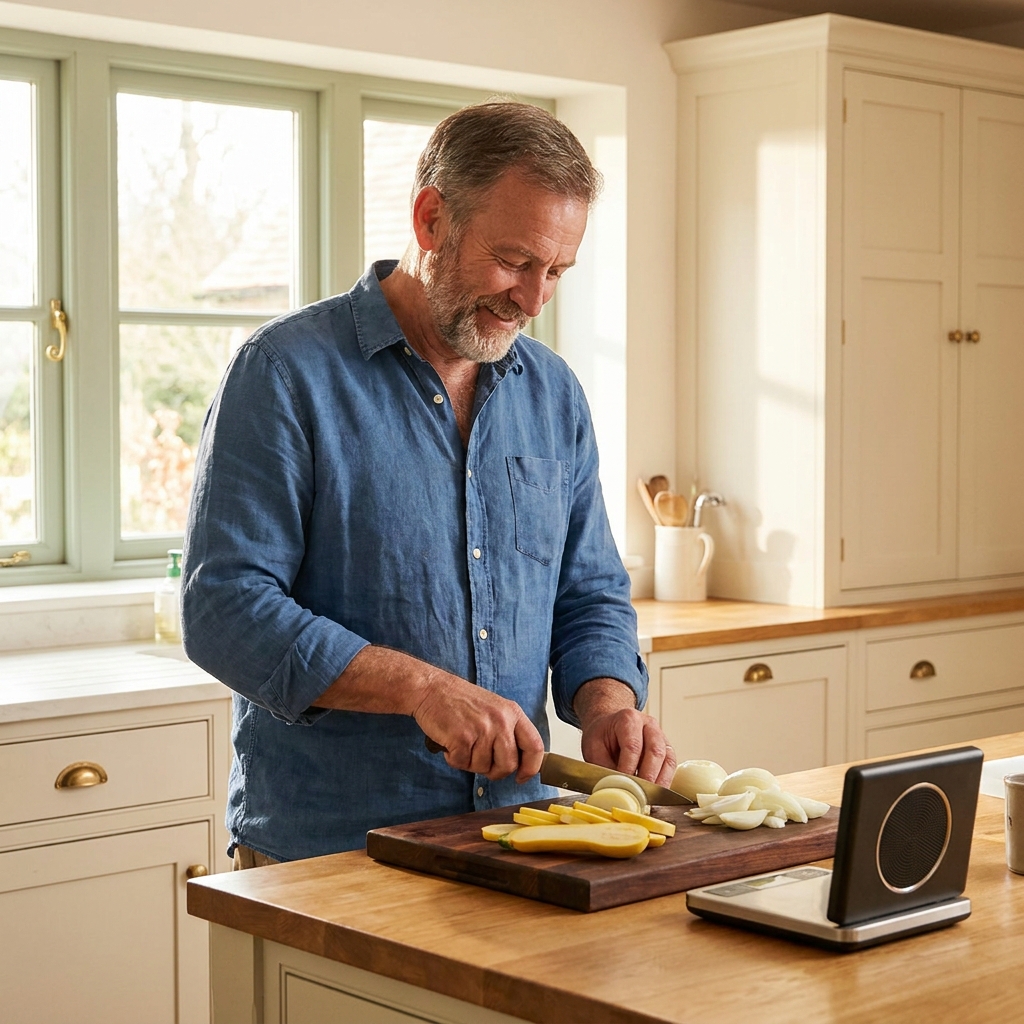
Diabetes was already a full-time job. Then your vision changed, and every part of that job got harder at once. There’s a particular exhaustion to this that people managing a single condition don’t experience — the sense that you’re now doing two demanding things badly instead of one thing well. It’s worth saying plainly: that…
Read MoreLow Vision Aids for Diabetic Retinopathy

Most low vision buyer’s guides assume you have one problem: you can’t see well enough to read. If you have diabetic retinopathy, you have two. You need to read the things everyone needs to read — mail, labels, screens. And you need to run a demanding medical routine that was designed around good eyesight: glucose…
Read MoreDiabetic Retinopathy and Vision Loss: Management, Aids, and Support

Diabetes asks you to read things. Glucose meter displays. Insulin pen dials. Carbohydrate counts on food labels. The bottom of your own feet. Then diabetic retinopathy makes reading harder — and that’s the part almost nobody plans for. Vision loss doesn’t just happen alongside your diabetes; it makes your diabetes harder to control, and poorer…
Read MoreUsher Syndrome: Managing Dual Sensory Loss

If you or someone you love is living with Usher syndrome, you are facing something most people have never heard of—and that can feel isolating. Take heart: while combined vision and hearing loss brings real challenges, there are well-established strategies, technologies, and communities built specifically to help. With the right support, people with Usher syndrome…
Read MoreWearable Tech for RP: OrCam, Luna, and Smart Glasses

If you are exploring wearable technology for retinitis pigmentosa, the choices can feel overwhelming—and the marketing rarely tells you what actually works for RP. The truth is that these devices can be genuinely life-changing for reading, recognizing faces, and getting around. The trick is matching the right device to your vision and your daily life.…
Read MoreWhite Canes and Mobility Aids for Progressive Vision Loss
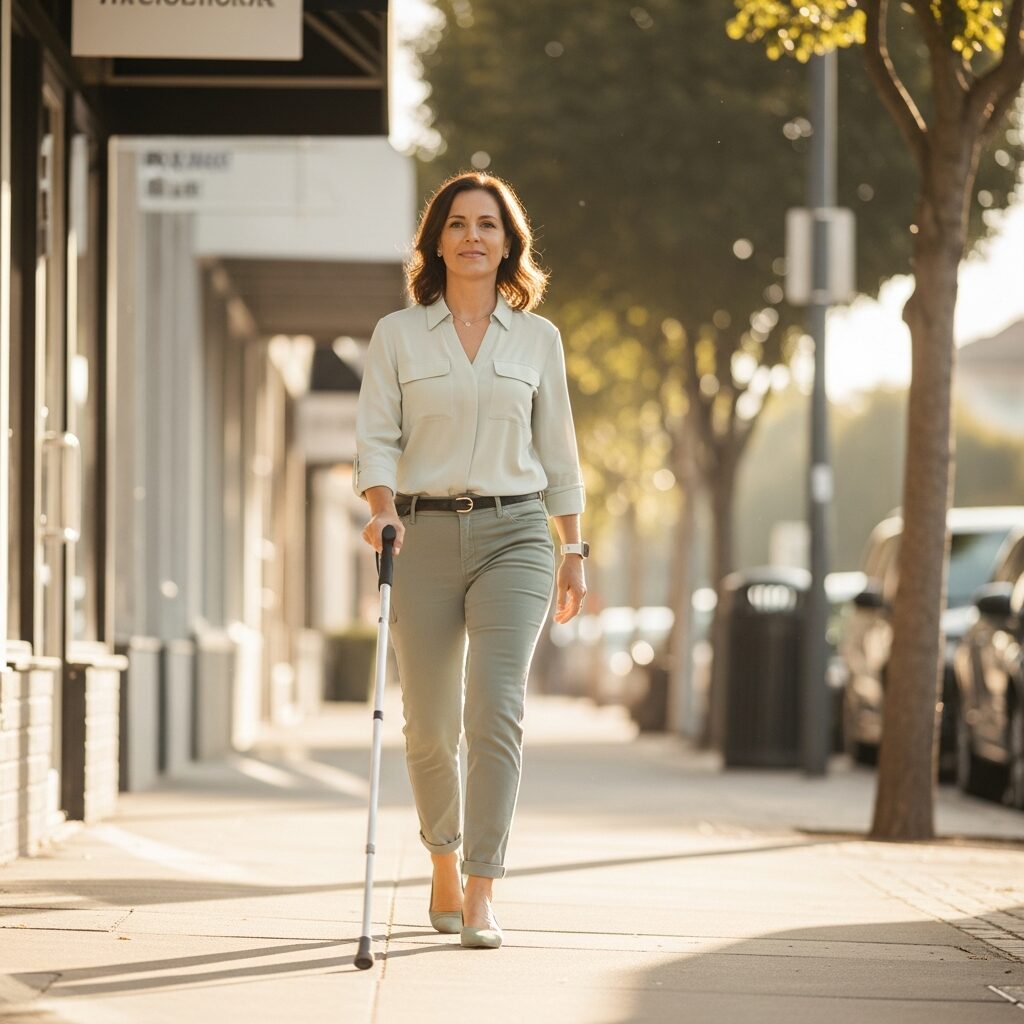
If you are living with progressive vision loss, getting around safely is probably one of your biggest concerns—and one of the most natural fears to have. The good news is that the most effective mobility tool is also one of the simplest and most affordable: the white cane. Paired with training and a few other…
Read MoreText-to-Speech Software and Tools for Classroom Accessibility

If a student in your classroom is straining to read the screen, or falling behind because the reading takes twice as long as it should, text-to-speech is usually the first tool to try. It is free on nearly every device your school already owns, and most students can start using it the same afternoon. Text-to-speech…
Read More