
Independent Living
White Canes and Mobility Aids for Progressive Vision Loss
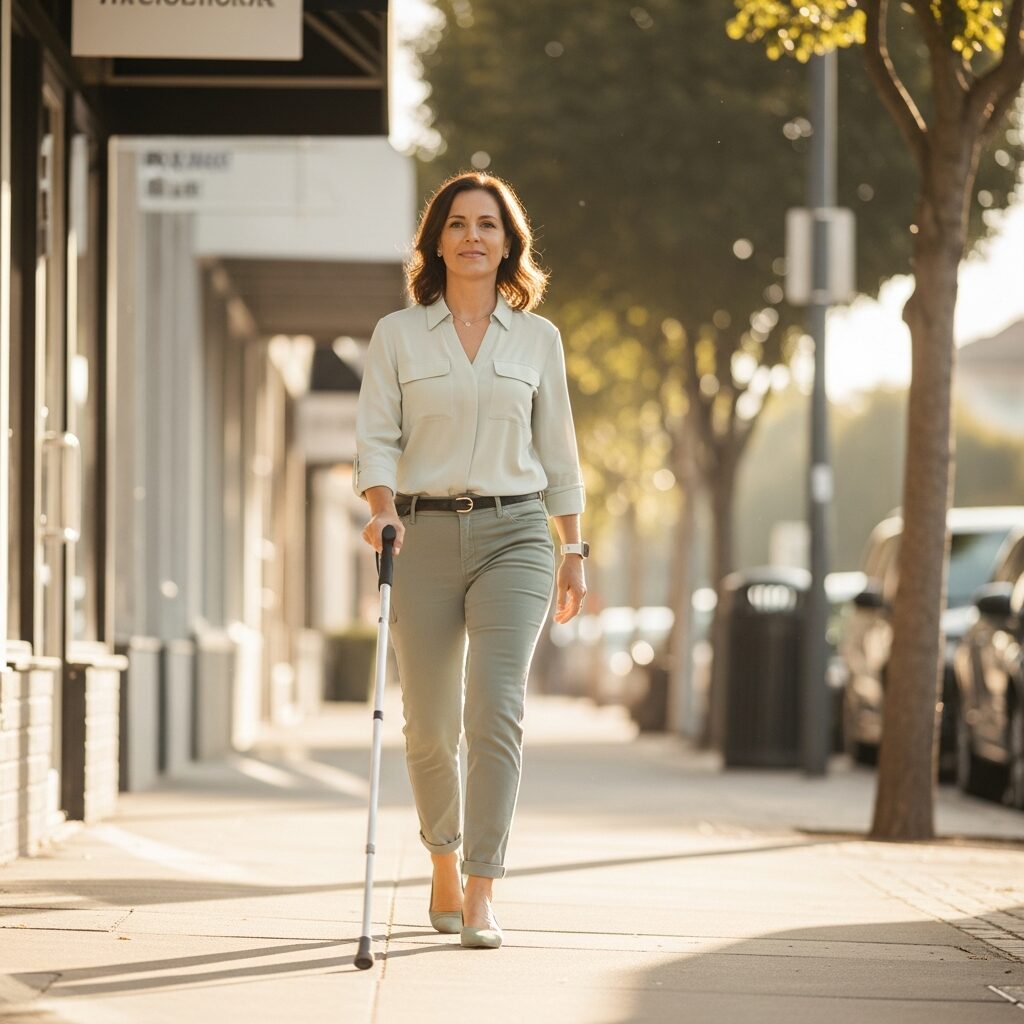
If you are living with progressive vision loss, getting around safely is probably one of your biggest concerns—and one of the most natural fears to have. The good news is that the most effective mobility tool is also one of the simplest and most affordable: the white cane. Paired with training and a few other…
Read MoreText-to-Speech Software and Tools for Classroom Accessibility

If a student in your classroom is straining to read the screen, or falling behind because the reading takes twice as long as it should, text-to-speech is usually the first tool to try. It is free on nearly every device your school already owns, and most students can start using it the same afternoon. Text-to-speech…
Read MoreManaging Night Blindness in RP: Strategies That Help

If you have retinitis pigmentosa, night blindness is often the first change you notice—and one of the most disruptive. Dim restaurants, evening events, and walking after dark can suddenly feel daunting. If that is where you are right now, take heart: while night vision itself cannot be restored, the right strategies make low-light situations far…
Read MoreMagnification Software for Students with Low Vision
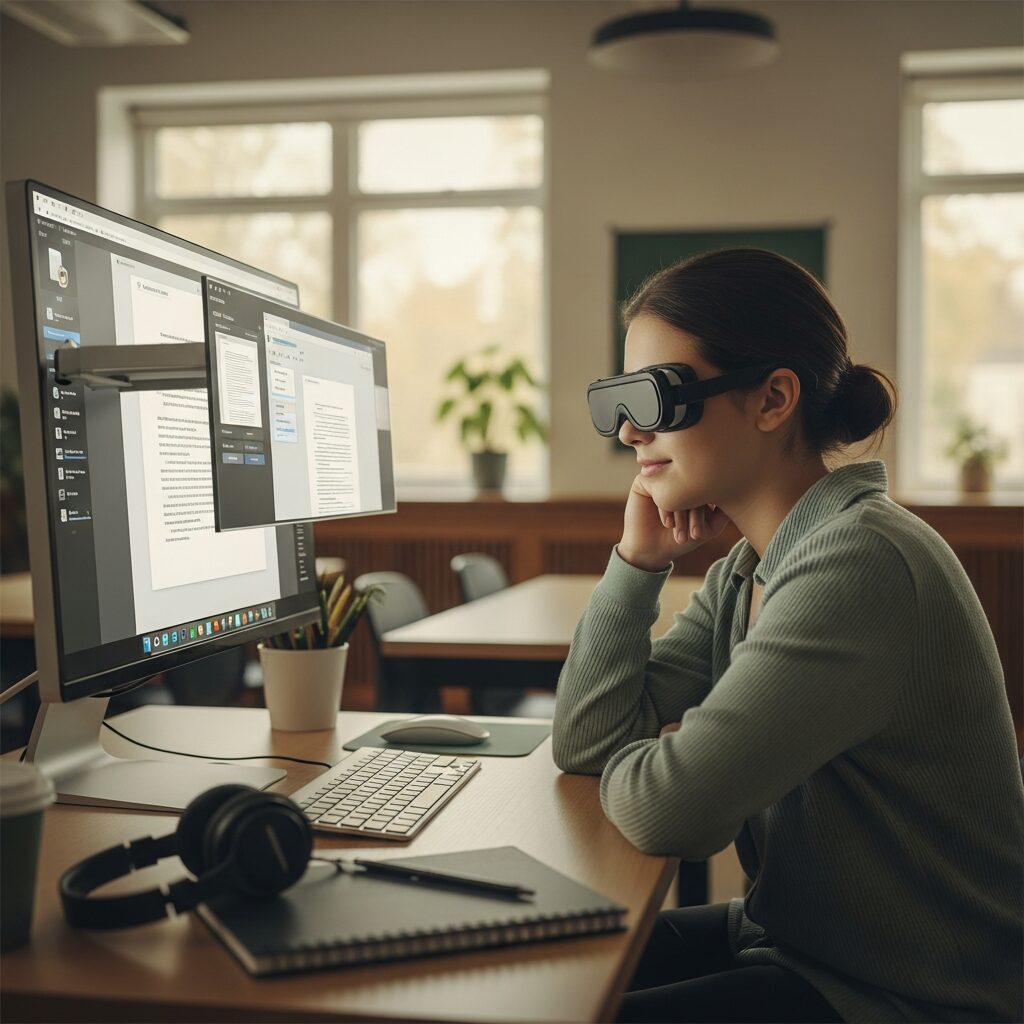
Watching a bright student lean inches from a screen, squinting to make out text the rest of the class reads easily, is hard. If that is your student or your child, here is the good news: the right magnification software can put the full digital curriculum back within reach, and you may not need to…
Read MoreScreen Reader Software in the Classroom: Implementation for Teachers
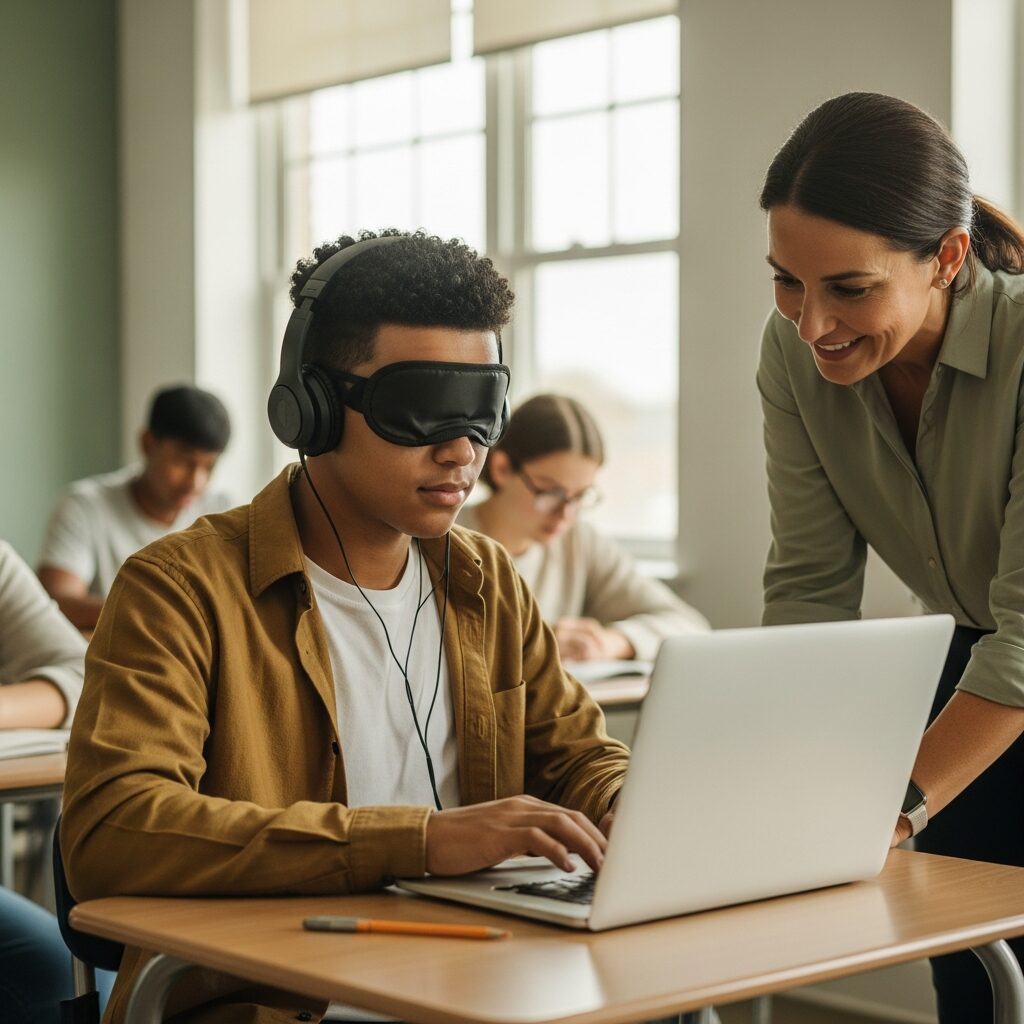
A student who uses a screen reader just joined your class, and you might be wondering how much new software you need to learn. Here is the reassuring part: you do not need to master the screen reader yourself. Your real job is to understand how screen reader software in the classroom changes the way…
Read MoreBest Assistive Devices for Retinitis Pigmentosa

If you are looking for tools to help with retinitis pigmentosa, you have probably noticed that most low vision advice is written for conditions that affect central vision first. RP is different. It usually takes your night vision and side vision first, so the devices that help most are not always the ones you would…
Read MoreUnderstanding RP: Symptoms, Progression, and Adaptation

If you have retinitis pigmentosa, or you think you might, one of the hardest parts is not knowing what comes next. Will your vision change quickly or slowly? What should you watch for? Here is the reassuring truth: while RP is progressive, knowing what to expect lets you prepare and adapt on your own terms…
Read MoreAssistive Technology for Students with Low Vision: A Teacher’s Guide
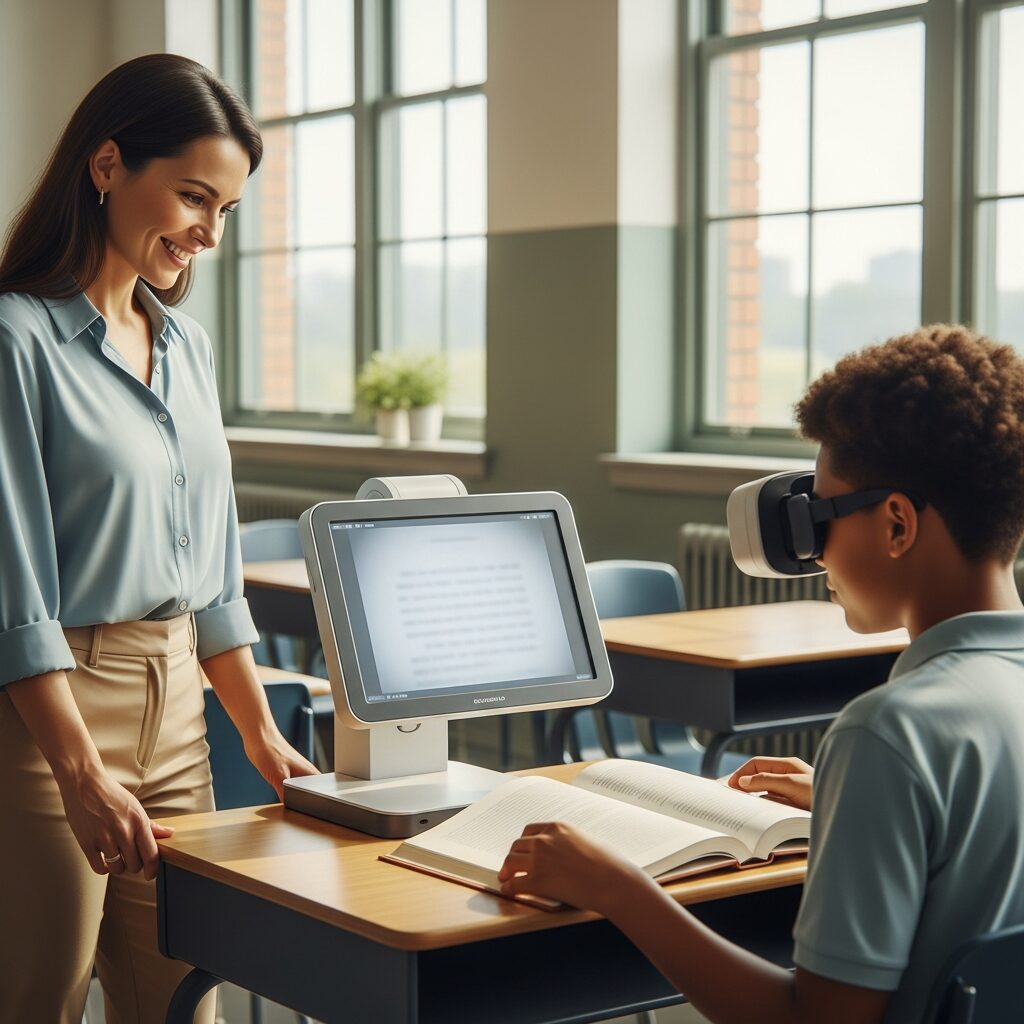
You have a student with low vision on your roster, and you want to get this right. Maybe the paperwork says “screen magnification” or “CCTV” and you are not sure what those are, or whether the device sitting unused in the corner is even the right one. That uncertainty is normal, and it does not…
Read MoreRetinitis Pigmentosa: Living Well with Low Vision

If you or someone you love has been diagnosed with retinitis pigmentosa, you are probably carrying a lot right now. There may be questions about what comes next, what you might have to give up, and whether independence is still possible. Take a breath. The honest answer is that most people with RP keep reading,…
Read MoreAdaptive Techniques for Daily Living with Low Vision

If the everyday tasks you once did without thinking have started to feel harder, you are not alone, and you are not out of options. Vision loss changes how you do things, not whether you can do them. Here is what matters most: nearly every daily task can be adapted with a few simple techniques…
Read MoreAssisted Living Options for Older Adults with Vision Loss

If you are starting to wonder whether assisted living is the right move for an older adult with vision loss, you are facing one of the hardest decisions a family makes. It is emotional, it rarely comes with a clear answer, and it often arrives during a stressful stretch. Take a breath. You do not…
Read MoreCaregiver Burnout and Self-Care When Supporting Vision Loss

Caring for someone you love through vision loss is an act of devotion. It can also quietly wear you down. If you have been feeling exhausted, stretched thin, or guilty for needing a break, please know this: you are not failing. Caregiver burnout when supporting someone with vision impairment is real, and it is common.…
Read More