Healthy Aging Tips for Legally Blind Seniors: Essential Strategies for Independent Living and Wellness

Understanding Legal Blindness and Vision Loss in Seniors
Legal blindness affects millions of older adults and occurs when central visual acuity measures 20/200 or less in the better eye with correction, or when the visual field is 20 degrees or less. Age-related conditions like macular degeneration, cataracts, glaucoma, and diabetic retinopathy are the primary causes of vision loss in seniors.
Free Helpful Downloads:
- Low Vision Guide: Twelve powerful action items after being diagnosed with macular degeneration or other vision loss https://nelowvision.com/macular-degeneration-help-resources/
- Living With Glaucoma Guide: Five comprehensive sections to give you insights and management strategies – https://nelowvision.com/living-with-glaucoma-helpful-resource/
Common Causes of Vision Loss in Older Adults
Age-related macular degeneration ranks as the leading cause of vision loss in adults over 60. This condition damages the macula, causing central vision to become blurry or distorted.
Cataracts develop when the eye’s natural lens becomes cloudy. Nearly all seniors will experience some degree of cataract formation by age 80.
Glaucoma damages the optic nerve through increased eye pressure. This eye disease often progresses without symptoms until significant vision loss occurs.
Diabetic retinopathy affects seniors with diabetes when high blood sugar damages retinal blood vessels. The National Eye Institute reports this condition as a major cause of blindness in working-age adults.
| Eye Disease | Primary Effect | Age Group Most Affected |
| Macular Degeneration | Central vision loss | 60+ years |
| Cataracts | Cloudy, dim vision | 75+ years |
| Glaucoma | Peripheral vision loss | 40+ years |
| Diabetic Retinopathy | Blood vessel damage | All ages with diabetes |
Differences Between Low Vision and Legal Blindness
Low vision describes visual impairment that cannot be corrected with standard glasses, contact lenses, or surgery. People with low vision retain some usable sight for daily activities.
Legal blindness represents a specific measurement used to determine eligibility for government benefits and services. Visual acuity of 20/200 means a person sees at 20 feet what someone with normal vision sees at 200 feet.
Many legally blind individuals maintain some functional vision. Complete blindness, where no light perception exists, affects only a small percentage of visually impaired seniors.
The distinction matters because it determines access to rehabilitation services, assistive technology, and specialized support programs.
Recognizing Early Signs of Vision Changes
Difficulty reading or needing brighter light for close work often signals developing vision problems. Seniors may hold books farther away or struggle with small print.
Problems with glare from headlights, sunlight, or bright indoor lighting indicate possible cataracts or other eye conditions developing.
Trouble distinguishing colors or noticing that colors appear faded may suggest macular degeneration or other retinal changes.
Frequent falls or bumping into objects can indicate peripheral vision loss associated with glaucoma. Changes in depth perception also contribute to mobility challenges.
Halos around lights or seeing rainbow-colored rings may signal increased eye pressure from glaucoma.
Regular eye exams become critical for older adults, as many age-related eye diseases progress without obvious symptoms until significant vision loss occurs.
Essential Eye Health Practices for Healthy Aging
Maintaining optimal eye health requires consistent medical care, specialized professional support, and proactive disease prevention strategies that address the unique challenges of age-related vision changes.
Routine Eye Exams and Medical Care
Regular comprehensive eye exams form the foundation of healthy aging for legally blind seniors. The National Eye Institute recommends annual dilated eye exams for adults over 60 to detect changes in existing conditions and identify new concerns early.
These examinations allow doctors to monitor progression of conditions like macular degeneration, glaucoma, and diabetic retinopathy. Early detection enables timely intervention that can slow disease progression and preserve remaining vision.
Essential exam components include:
- Visual acuity testing
- Intraocular pressure measurement
- Retinal photography
- Optical coherence tomography (OCT)
- Visual field testing
We recommend scheduling exams at consistent intervals, even when vision seems stable. Many age-related eye diseases progress silently without noticeable symptoms until significant damage occurs.
Medicare Part B covers annual dilated eye exams for people at high risk for glaucoma and those with diabetes. Private insurance plans typically provide similar coverage for preventive eye care services.
Working With Ophthalmologists and Low-Vision Specialists
Ophthalmologists provide medical and surgical treatment for eye diseases, while low-vision specialists focus on maximizing functional vision through rehabilitation and assistive technology training. This collaborative approach addresses both medical management and practical daily living needs.
Low-vision specialists conduct comprehensive functional vision assessments that evaluate how vision loss affects specific activities. They prescribe optical devices, recommend environmental modifications, and provide training on adaptive techniques.
Key services include:
- Magnification device fitting
- Lighting assessment and recommendations
- Computer accessibility training
- Mobility and navigation instruction
Regular communication between your ophthalmologist and low-vision specialist ensures coordinated care. Share reports and recommendations between providers to maintain comprehensive treatment plans that address both medical and functional aspects of vision loss.
We work closely with eye care professionals to implement their recommendations through specialized assistive technology training and ongoing support services.
Preventive Measures for Eye Disease
Lifestyle modifications can significantly impact the progression of age-related eye conditions. Proper nutrition, UV protection, and health management reduce risk factors for common eye diseases affecting seniors.
Nutritional support includes:
- Omega-3 fatty acids for dry eye relief
- Antioxidants (vitamins C and E) for cellular protection
- Lutein and zeaxanthin for macular health
- Zinc supplementation as recommended by eye care providers
Consistent blood sugar control prevents diabetic retinopathy progression. Monitor blood pressure regularly, as hypertension increases glaucoma risk and can damage retinal blood vessels.
Protect eyes from ultraviolet radiation with wraparound sunglasses that block 99-100% of UV-A and UV-B rays. Indoor lighting modifications reduce glare and eye strain while improving visual comfort.
Smoking cessation dramatically reduces macular degeneration risk and slows cataract development. Alcohol moderation supports overall eye health and reduces inflammation that contributes to various eye diseases.
Navigating Daily Life and Maintaining Independence
Successful independent living requires strategic home modifications, effective mobility techniques, and appropriate assistive technology solutions. These three components work together to create a safe and functional environment for legally blind seniors.
Home Modifications and Fall Prevention
Creating a safe living environment starts with improving lighting throughout your home. Install bright LED lights in hallways, staircases, and work areas where tasks are performed.
Remove tripping hazards like loose rugs, electrical cords, and clutter from walkways. Secure all rugs with non-slip backing or double-sided tape.
Essential Safety Modifications:
- Install grab bars in bathrooms near toilets and showers
- Add contrasting tape to stair edges
- Use motion-activated lights for nighttime navigation
- Place tactile markers on appliance controls
Organize frequently used items in consistent locations. Keep kitchen utensils, medications, and personal care items in designated spots that never change.
Consider contrasting colors for important items. Use light-colored dishes on dark placemats or dark towels in light-colored bathrooms to improve visibility.
Mobility and Orientation Strategies
Developing consistent navigation routes within your home builds confidence and safety. Practice walking the same paths until they become automatic movements.
Use the trailing technique along walls and furniture edges. Keep one hand lightly touching surfaces while walking to maintain orientation and detect obstacles.
Indoor Navigation Tips:
- Count steps between frequently visited locations
- Use landmarks like doorways or furniture pieces as reference points
- Keep pathways clear and consistent
- Practice routes during different lighting conditions
Outdoor mobility requires different strategies. Use sidewalk edges, building walls, or fences as guide lines when walking independently.
Vision rehabilitation services can teach advanced orientation skills. Professional training helps develop systematic approaches to unfamiliar environments.
Using Low Vision Aids and Adaptive Technology
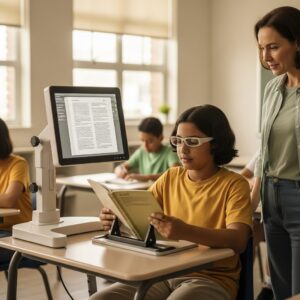
Magnifying devices enhance remaining vision for reading and detailed tasks. Desktop magnifiers provide stable magnification for extended reading sessions.
Handheld magnifiers offer portability for checking labels, reading mail, or viewing photographs. Electronic magnifiers with adjustable contrast settings work well for various lighting conditions.
Essential Low Vision Aids:
- Large-button telephones with voice announcement
- Talking watches and clocks
- High-contrast measuring tools for cooking
- Voice-recording devices for notes and reminders
Leading-edge adaptive technology includes smartphone apps designed for visually impaired users. Voice-over features read screen content aloud and enable independent device operation.
Smart home technology integrates with voice assistants to control lighting, temperature, and entertainment systems. These tools reduce physical navigation needs while maintaining control over your environment.
Assistive technology specialists provide training on device selection and usage. Professional guidance ensures you choose appropriate tools that match your specific vision level and daily needs.
Promoting Physical and Mental Well-Being
Legally blind seniors can maintain vibrant health through targeted exercise programs, proper nutrition, and strong social connections. These foundational elements work together to support independence and quality of life.
Exercise and Safe Physical Activities
Regular physical activity remains essential for legally blind seniors to maintain strength, balance, and cardiovascular health. Chair exercises provide a safe starting point for those with mobility concerns.
Simple arm circles, seated marches, and gentle stretching can be performed without vision concerns. These movements help maintain muscle tone and joint flexibility.
Walking programs offer excellent cardiovascular benefits when adapted properly. Using a white cane or working with a mobility instructor helps create safe walking routes.
Indoor walking tracks at community centers provide controlled environments. Many facilities offer specific hours for older adults with vision impairments.
Balance training becomes particularly important for preventing falls. Tai chi classes adapted for visual impairments focus on slow, controlled movements.
Standing exercises near a sturdy chair or wall provide safety support. Simple heel-to-toe walking along familiar hallways builds confidence and stability.
Water exercises eliminate fall risks while providing full-body workouts. Pool walking and gentle water aerobics reduce joint stress while building strength.
Caregivers can assist by describing pool layouts and staying nearby during activities. Many community pools offer senior-specific programs with trained instructors.
Nutrition and Healthy Lifestyle Choices
Proper nutrition supports both physical health and cognitive function for legally blind seniors. Meal planning becomes more manageable with organized kitchen systems and talking scales.
Assistive technology specialists can recommend talking kitchen timers and liquid level indicators. These tools promote cooking independence and food safety.
Hydration monitoring prevents common health issues in older adults. Large-print measuring cups or tactile markers help track daily fluid intake.
Setting regular reminder alarms ensures consistent hydration throughout the day. Caregivers can help establish these beneficial routines.
Medication management requires special attention for those with vision loss. Talking pill dispensers and large-print medication labels improve safety.
Weekly pill organizers with tactile markings reduce dosing errors. Working with pharmacists ensures proper labeling and instruction clarity.
Sleep hygiene significantly impacts both mental and physical well-being. Creating consistent bedtime routines helps regulate natural sleep cycles.
Blackout curtains and comfortable room temperatures support quality rest. Avoiding screens before bedtime becomes less challenging for those with vision loss.
Addressing Emotional Health and Social Connection
Social isolation poses significant mental health risks for legally blind seniors. Community engagement through local support groups provides peer connections and practical resources.
Vision rehabilitation programs often host social activities specifically designed for older adults. These gatherings combine learning opportunities with friendship building.
Technology training opens new avenues for social connection. Screen readers and voice assistants enable video calls with family members and friends.
Our assistive technology specialists provide personalized training on accessible communication tools. Learning these skills promotes ongoing social engagement.
Hobby adaptation maintains personal interests and provides mental stimulation. Large-print books, talking books, and audio content support continued learning.
Tactile crafts, music, and cooking activities can be modified for vision loss. Local recreation centers often offer adaptive programs for seniors.
Mental health support addresses the emotional challenges of vision loss and aging. Professional counseling services familiar with vision impairment provide specialized care.
Support groups for legally blind individuals offer peer understanding and coping strategies. Regular participation helps reduce feelings of isolation and depression.
Independent living skills training builds confidence in daily activities. Mastering adaptive techniques for household tasks promotes self-reliance and positive mental health.
Engaging in Accessible Hobbies and Meaningful Activities
Legally blind seniors can maintain fulfilling lives through creative arts, sensory-rich experiences, and connections with nature and animals. These accessible activities support cognitive health while providing opportunities for self-expression and social engagement.
Creative Pursuits for Visually Impaired Seniors
Tactile arts offer rewarding outlets for artistic expression. Clay sculpting allows seniors to create three-dimensional works using touch and muscle memory. The material responds to pressure and movement, making it ideal for those with low vision.
Knitting and crocheting provide both creative satisfaction and practical results. Large needles and high-contrast yarns make these crafts more accessible. Many seniors find the repetitive motions soothing and meditative.
Audio-supported creative activities include:
- Audiobook narration and storytelling
- Music composition using accessible software
- Poetry writing with voice recognition technology
- Digital art creation through specialized programs
Woodworking can remain accessible with proper safety measures and assistive tools. Large-print or raised measuring tools help maintain precision. Simple projects like birdhouses or cutting boards provide tangible accomplishments.
Cooking and baking engage multiple senses while producing enjoyable results. Talking measuring devices and timers support independence. Recipe organization using large-print or braille labels maintains kitchen confidence.
Staying Active With Sensory and Audio-Based Activities
Audio entertainment opens vast worlds of engagement. Podcast listening spans countless topics from history to comedy. Many libraries offer extensive audiobook collections covering fiction, biographies, and educational content.
Music activities provide both passive enjoyment and active participation. Learning new instruments or returning to familiar ones stimulates cognitive function. Singing groups offer social interaction alongside musical expression.
Accessible physical activities include:
- Chair exercises with audio guidance
- Swimming with lane guides
- Walking groups with sighted partners
- Yoga classes designed for visually impaired participants
Board games adapted with large print, braille, or tactile markers maintain social gaming opportunities. Chess sets with raised pieces and talking electronic versions preserve strategic thinking games.
Radio programs, especially talk shows and educational content, provide intellectual stimulation and current events awareness. Many stations offer specialized programming for visually impaired listeners.
Connecting With Pets and Nature
Pet companionship offers emotional support and daily structure. Dogs provide tactile comfort and can assist with mobility confidence. Cats offer soothing purrs and lap companionship during quiet activities.
Small pets like birds create auditory interest through songs and chatter. Fish tanks provide gentle water sounds and the satisfaction of care routines. Pet care creates purposeful daily activities and responsibility.
Nature connection activities:
- Bird listening and identification
- Garden touching and herb growing
- Weather monitoring and discussion
- Outdoor sitting with wind and sun awareness
Indoor gardening brings nature closer through herb cultivation and houseplant care. Textured plants like lamb’s ear and fragrant varieties like lavender engage touch and smell. Raised garden beds make planting and harvesting more accessible.
Nature sounds recordings or apps can bring outdoor experiences indoors during challenging weather. These audio environments support relaxation and mental well-being when physical outdoor access becomes difficult.
Support Networks, Resources, and Advocacy
Strong support systems and advocacy resources help legally blind seniors maintain independence and access essential services. Legal protections under the Americans with Disabilities Act and specialized organizations provide crucial assistance for navigating daily challenges.
Finding Community Organizations and Programs
The American Council of the Blind (ACB) offers local chapters nationwide that provide peer support and resources specifically for legally blind individuals. These chapters host regular meetings where seniors can share experiences and learn about new assistive technologies.
The American Foundation for the Blind (AFB) maintains VisionAware.org, a comprehensive online resource center. This platform connects seniors with local services, rehabilitation programs, and support groups in their area.
Lions Clubs International operates vision programs in most communities. Local clubs often provide transportation assistance, equipment loans, and volunteer readers for legally blind seniors.
Key services to look for:
- Orientation and mobility training
- Assistive technology demonstrations
- Social activities and peer support
- Transportation programs
- Equipment lending libraries
Many Area Agencies on Aging coordinate with vision organizations to offer specialized programs. These partnerships create comprehensive support networks that address both age-related and vision-related needs.
Legal Rights and Navigating Assistance Programs
The Americans with Disabilities Act (ADA) guarantees equal access to public accommodations, transportation, and services. Legally blind seniors have specific rights to reasonable accommodations in housing, healthcare facilities, and public spaces.
The Social Security Administration (SSA) provides disability benefits for those who qualify. Legal blindness may qualify seniors for Social Security Disability Insurance or Supplemental Security Income, depending on their work history and financial situation.
Essential ADA protections include:
- Accessible public transportation
- Audio announcements in public spaces
- Reasonable accommodations in housing
- Equal access to healthcare services
Legal advocacy organizations help seniors understand their rights and file complaints when discrimination occurs. Many offer free consultations and can assist with appeals processes for denied benefits.
State rehabilitation agencies provide vocational services and independent living programs. These agencies often coordinate with the SSA to streamline benefit applications and ensure seniors receive all eligible services.
Family and Caregiver Support
Caregivers need specific training to effectively assist legally blind seniors while promoting independence. Family members should learn proper sighted guide techniques and understand when to offer assistance versus allowing independent navigation.
Support groups for caregivers address the emotional challenges of supporting a legally blind family member. These groups provide strategies for maintaining dignity while ensuring safety in the home environment.
Caregiver training topics:
- Proper sighted guide techniques
- Home safety modifications
- Communication strategies
- Assistive technology basics
- Emergency procedures
Professional caregiver services can supplement family support when needed. These services should include staff trained specifically in vision loss techniques and respectful assistance methods.
Family education programs help relatives understand the capabilities and limitations of legal blindness. This knowledge reduces overprotective behaviors and encourages appropriate independence for seniors.
Many organizations offer respite care services, giving primary caregivers necessary breaks while ensuring continued quality care for legally blind seniors.
Frequently Asked Questions
Seniors with legal blindness often have specific concerns about maintaining their health and independence. These questions address practical strategies for nutrition, exercise, home safety, social connections, and assistive technology solutions.
What are the best strategies for maintaining physical health among seniors with vision loss?
Regular medical checkups become essential for seniors with vision loss to monitor overall health conditions. We recommend establishing consistent relationships with healthcare providers who understand the unique needs of visually impaired patients.
Physical activity should include low-impact exercises like swimming, stationary cycling, or chair exercises. These activities reduce fall risk while maintaining cardiovascular health and muscle strength.
Medication management requires systematic approaches such as talking pill organizers or large-print labels. Consider asking pharmacies about accessible prescription information services that provide audio instructions.
Sleep hygiene becomes particularly important as vision loss can disrupt natural circadian rhythms. Maintaining regular sleep schedules and creating dark, quiet environments supports better rest quality.
How can legally blind seniors ensure a nutritious diet when they have difficulty seeing their food?
Meal preparation starts with organizing kitchen items in consistent locations. Label shelves, containers, and appliances with large print or braille to maintain independence in food selection.
Talking kitchen scales help measure ingredients accurately for portion control and recipe following. These devices announce weights in clear audio format.
Pre-planning meals and creating shopping lists in accessible formats prevents nutritional gaps. Consider services that deliver pre-portioned ingredients with large-print or audio recipe instructions.
Textural cues help identify foods during eating. Learn to recognize fruits, vegetables, and proteins by touch, smell, and taste rather than relying solely on visual appearance.
What are effective ways for seniors with vision impairment to stay socially connected?
Technology solutions include video calling platforms with voice commands and large-button phones for easier communication. Screen readers can access social media platforms and email services.
Local support groups specifically for aging adults with vision loss provide peer connections. Many organizations offer weekly meetings both in-person and through accessible online platforms.
Community activities like audio book clubs, accessible fitness classes, and volunteer opportunities create regular social interaction. Transportation services for visually impaired seniors help maintain participation in these activities.
Family involvement remains crucial for maintaining relationships. Teach family members about communication techniques that work best for vision-impaired conversations.
What exercises are recommended for elderly individuals who are visually impaired to enhance mobility?
Balance training exercises include standing on one foot while holding a stable surface or practicing heel-to-toe walking along walls. These activities improve stability and reduce fall risk.
Strength training with resistance bands or light weights helps maintain muscle mass. Focus on exercises that can be performed while seated or with wall support for added safety.
Flexibility routines like gentle stretching or chair yoga maintain joint mobility. Audio-guided exercise programs provide step-by-step instructions without requiring visual demonstration.
Walking programs should begin in familiar environments like indoor hallways or guided outdoor paths. Gradually increase distance and complexity as confidence builds.
How can home environments be adapted to improve safety for seniors experiencing legal blindness?
Lighting modifications include adding motion-sensor lights in hallways and bathrooms. Increase overall lighting levels while reducing glare from reflective surfaces.
Tactile markers help identify important locations like light switches, handrails, and door handles. Raised dots or textured tape create recognizable touch points throughout the home.
Furniture arrangement should remain consistent to prevent navigation confusion. Remove or secure loose rugs, electrical cords, and other tripping hazards from walkways.
Bathroom safety requires grab bars, non-slip surfaces, and contrasting colors for toilet seats and fixtures. Consider raised toilet seats and shower benches for additional stability.
Visit our Smart Home page to learn how we can help you purchase, setup, and train the right option for you! You can also read more articles by visiting this link.
Which assistive technologies or devices can support daily living for seniors with severe vision loss?
Voice-activated smart home devices control lighting, temperature, and entertainment systems through simple spoken commands. These systems reduce the need for locating physical switches and buttons.
Magnification tools include handheld electronic magnifiers and desktop video magnifiers that enlarge text and images. Many models offer adjustable contrast and color settings for individual preferences.
Audio devices like talking clocks, calculators, and thermometers announce information clearly. Digital recording devices help capture important information and reminders.
Navigation aids include white canes for mobility and GPS devices with audio directions. Smartphone apps can identify objects, read text aloud, and provide detailed audio descriptions of surroundings.
Computer access software enables internet browsing, email, and document creation through screen reading technology. Large-print keyboards and high-contrast monitors support users with remaining vision.
We can help!
Struggling with everyday technology? Our patient 1-on-1 training makes tech simple, accessible, and stress-free — even for seniors with vision loss or cognitive challenges. Call 1-888-211-6933 today for your FREE consultation!