Creating Accessible Environments for Deaf-Blind Individuals
Accessible Environments for Deaf-Blind Individuals: Best Practices and Considerations
Our dedication to fostering accessible environments for deaf-blind individuals stems from our mission to enhance independence and quality of life. By integrating visual and tactile cues, we ensure seamless navigation and improved daily experiences. Addressing the unique needs of this community allows us to design inclusive spaces where every individual can thrive with confidence and ease.
At New England Low Vision and Blindness, we recognize the importance of thoughtful design in building inclusive environments. Our approach focuses on leveraging leading-edge technologies and training strategies to facilitate better communication and interaction – efforts aim to enhance accessibility and foster a sense of autonomy.
With the right tools and designs, the Deaf-Blind community can enjoy a more inclusive world. Our mission is to deliver life-changing resources that break down barriers and open new opportunities for engagement and independence. Join us as we explore the steps needed to create spaces that welcome and support everyone.
Discover NuCaption: Real-Time Solutions for the Deaf-Blind Community
 Empower communication with NuCaption, the innovative tool designed specifically for the Deaf-Blind community. This real-time captioning solution transforms the way individuals interact with the world, providing clear, accessible, and immediate text translation during conversations. Whether you’re at a meeting, in class, or enjoying social events, NuCaption bridges the gap and fosters inclusive environments.
Learn more and explore how NuCaption can transform your experience today: NuCaption – Real-Time Solutions for the Deaf-Blind Community.
Understanding Deaf-Blindness and Accessibility Needs
Our aim is to provide an in-depth exploration of deaf-blindness and the unique accessibility needs within this community. We’ll define what it means to be deaf-blind and explore the specific needs and technologies that support independence.
Defining Deaf-Blindness
Deaf-blindness is a unique and complex disability that involves a combination of both hearing and vision impairments. Individuals can be born with this condition or acquire it later in life. The dual sensory loss can significantly impact communication, learning, and mobility. It’s essential to recognize that each person may have different levels of hearing and vision loss, making personalized approaches critical.
At New England Low Vision and Blindness, we focus on individual assessments to understand the specific challenges each person faces. Our expertise in assistive technology helps tailor solutions that enhance communication and accessibility for those who are deaf-blind.
Exploring the Accessibility Needs of the Deaf-Blind Community
Accessibility for the deaf-blind community involves more than just providing assistive technologies. It requires comprehensive support systems, including tactile communication methods like sign language and Braille. Accessible web environments are crucial, offering adaptable technology interfaces that can adjust to the specific sensory needs of users.
We understand the importance of creating environments that minimize obstacles. Through our leading-edge resources, we offer options like screen readers, haptic feedback devices, and more, ensuring that deaf-blind individuals can navigate their world with confidence.
The Importance of Independence
Independence is a major goal for those who are deaf-blind. Achieving it often involves a combination of assistive technologies and tailored support services. Our mission includes not just providing technology but also offering training to empower individuals with these tools effectively.
Enhanced mobility and communication are key to fostering independence. We regularly observe how transformative it is for individuals to engage with their surroundings independently. Through our tailored solutions, we strive to give people who are deaf-blind the opportunity to explore and interact with the world around them, enhancing their quality of life significantly.
Legal Frameworks and Guidelines
Creating accessible spaces for the deaf-blind community involves understanding key legal frameworks and guidelines. The Americans with Disabilities Act (ADA) plays a vital role, providing standards to ensure accessibility. In addition, adapting physical spaces to meet these legal requirements is crucial. There are also additional legal considerations to take into account.
Overview of the Americans with Disabilities Act (ADA)
The Americans with Disabilities Act (ADA) is a pivotal law that prohibits discrimination based on disability. It covers various aspects, including employment, public accommodations, and services. Title III of the ADA addresses public accommodations, ensuring that facilities are accessible to individuals with disabilities. This is essential for the deaf-blind community as it mandates effective communication and non-discriminatory access.
Key provisions include the requirement for auxiliary aids and services, such as tactile interpreters or braille materials. These services help ensure that individuals who are deaf-blind can participate fully in society. Our commitment to providing assistive technology aligns with the ADA’s goal of inclusivity and accessibility.
Adapting Spaces to Meet ADA Requirements
Adapting physical spaces involves implementing ADA standards for accessible design. For instance, it is crucial to incorporate features that aid navigation for the deaf-blind, such as clear signage and tactile paths. These adaptations not only comply with legal requirements but also enhance safety and independence.
Assistive technology plays a significant role in this adaptation. Our role as a leading-edge provider helps facilities incorporate technology that meets ADA standards. From modified software to communication devices, making these technologies available ensures accessibility for the deaf-blind community.
Additional Legal Considerations
Beyond the ADA, several regulations require attention to create fully accessible environments. For instance, Section 504 of the Rehabilitation Act mandates non-discrimination in programs receiving federal funding. This can impact various public spaces and events, requiring careful planning and adherence to guidelines.
The Individuals with Disabilities Education Act (IDEA) is also relevant. While focused on education, its principles inform best practices in public settings, influencing how we accommodate the needs of the deaf-blind. Adhering to these frameworks is an important part of our mission to provide inclusive and accessible environments.
Design Principles for Accessible Spaces
Creating accessible spaces for the Deaf-Blind community is vital for ensuring inclusivity and ease of use. Key principles focus on lighting, assistive technologies, and physical accessibility to foster a supportive environment.
Incorporating High Contrast and Lighting
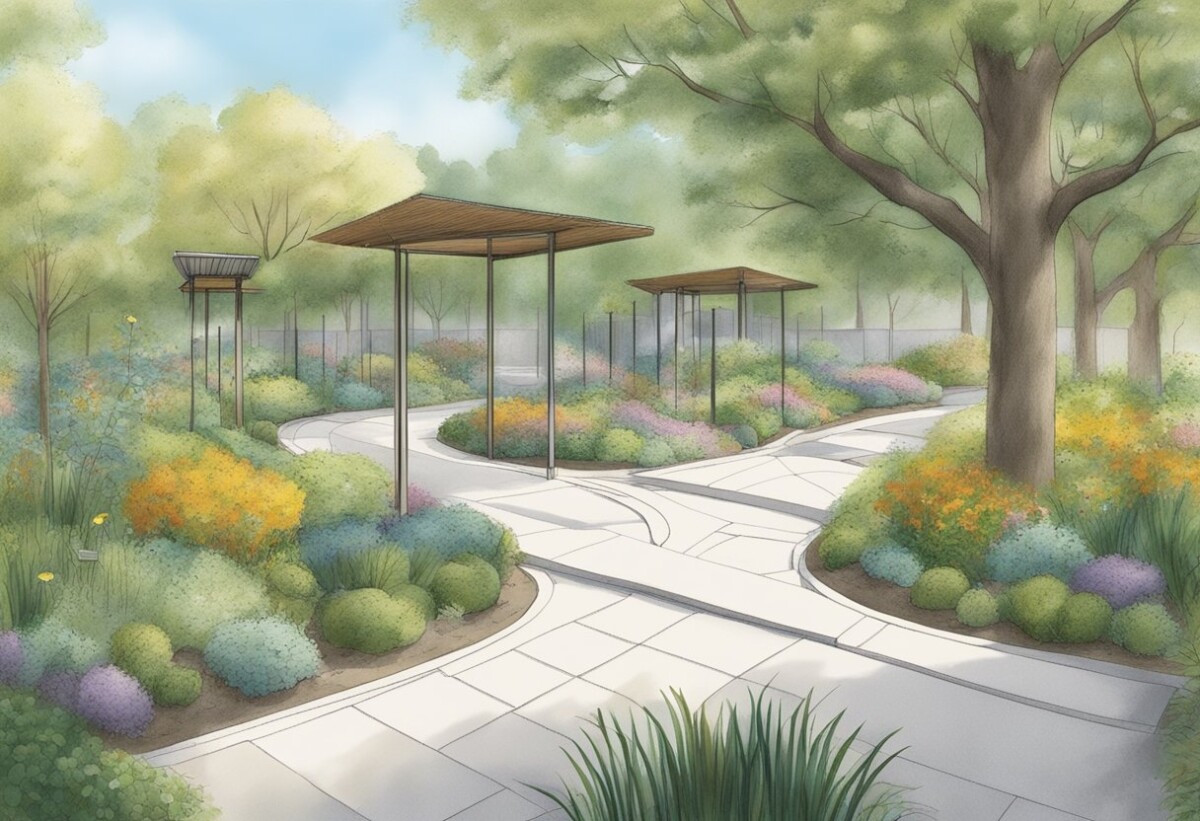
Good lighting and high contrast are essential in designing spaces for those who are Deaf-Blind. High contrast between walls, floors, and other surfaces helps individuals better perceive their surroundings. For instance, using contrasting colors for door frames and walls can aid in navigation and orientation. Adequate lighting, adjusted to minimize glare and shadows, enhances visual cues. Natural light can be harnessed with strategically placed windows, while adjustable artificial lighting supports individual needs. Task lighting, such as desk lamps, can be important for activities that require focused attention.
Assistive Technologies and Features
Integrating assistive technologies is essential in promoting accessibility. Devices like braille displays, screen readers, and hearing aids can be incorporated into the space to enhance communication and information access. For example, tactile paths blended with audible directions help guide individuals through a building. Visual alert systems that utilize flashing lights are important for notifying people of alarms or doorbells. Smart home systems, providing voice or touch control of lights, alarms, and appliances, enable greater independence. Our focus is on delivering these leading-edge resources to transform our clients’ lives positively.
Ensuring Physical Accessibility
Physical accessibility in space design involves several key features. Hallways and corridors should be wide enough for easy passage and free of obstacles. Textured surfaces can mark transitions between different areas or floors, helping with navigation. Ramps and staircases should have handrails and tactile markers for guidance. Room layouts should prioritize clear paths, ensuring furniture arrangement does not obstruct mobility. Elevators with braille and tactile controls are crucial for vertical movement. Accessible signage with raised lettering and braille is important for identifying rooms and facilities. By integrating these elements, we aim to create spaces that support full participation of the Deaf-Blind community.
Inclusive Communication and Cultural Considerations
Creating accessible spaces for the deaf-blind community requires an emphasis on inclusive communication and a deep respect for cultural nuances. By focusing on language, embracing cultural identities, and fostering connections through art, we can enhance participation and inclusion.
Language and Communication Tactics
Communication with the deaf-blind community involves a variety of approaches to ensure clarity and understanding. Tactile communication methods, such as the use of tactile signing, enable more effective interaction. Braille is vital for textual information. We also explore innovative solutions like haptic feedback devices, which offer real-time communication support.
Collaboration with interpreters trained in American Sign Language (ASL) and tactile versions is crucial. We emphasize personalized communication plans that consider individual preferences, supporting a richer engagement between deaf-blind individuals and their environments.
Embracing Deaf-Blind Culture
Understanding and appreciating the culture of the deaf-blind community is integral to creating truly inclusive experiences. This includes acknowledging unique cultural expressions and traditions that arise from the intersection of deaf and blind identities. These cultural elements can significantly enrich community life.
We should respect and celebrate the history, shared experiences, and achievements of deaf-blind individuals. By hosting events and workshops highlighting these aspects, we foster a sense of belonging and validation. Engaging with community leaders and organizations aids in authentic cultural representation.
Fostering Understanding Through the Arts
The arts offer powerful ways to forge connections and enhance accessibility for the deaf-blind community. Incorporating tactile and multisensory elements into performances and exhibitions can make the arts more accessible.
Collaboration with organizations like the Theatre Development Fund expands initiatives that create inclusive cultural experiences. We can adapt theater and other art forms to highlight different sensory experiences, ensuring everyone has the opportunity to participate and enjoy.
Our commitment at New England Low Vision and Blindness is to support a holistic, culturally sensitive approach in creating inclusive spaces. By integrating leading-edge assistive technologies, we enhance access to the arts and cultural activities, bringing hope and empowerment to those who are visually impaired.
Community and Governmental Support Structures
Creating accessible spaces for the deaf-blind community requires strong support from both the community and government entities. Key involvement from organizations and specialized offices helps address challenges faced by individuals, promoting inclusivity and enhancing quality of life.
Role of the Mayor’s Office for People with Disabilities
The Mayor’s Office for People with Disabilities plays a crucial role in fostering accessibility initiatives. By advocating for inclusive policies and urban design, they support the integration of deaf-blind-friendly features in public spaces. This office works closely with the community to understand specific needs, ensuring that urban environments cater to everyone.
Collaboration between municipal departments, residents, and advocacy groups results in the implementation of comprehensive guidelines and standards. These efforts aim to improve sensory cues in public signage, tactile pathways, and visual-gestural communication to accommodate varying needs. Community involvement in planning processes ensures policies remain relevant and impactful.
Organizations Supporting the Deaf-Blind Community
A variety of organizations provide essential support for the deaf-blind community. These groups offer resources such as advocacy, educational programs, and specialized training. For example, advocacy groups work tirelessly to develop strategies that promote accessibility and raise awareness about the unique challenges faced by the deaf-blind population.
Our team at New England Low Vision and Blindness dedicates resources to delivering leading-edge assistive technology. We aim to empower individuals by enhancing their engagement with their environment. By partnering with these organizations, we bring hope and life-changing resources to those most in need, ensuring that even the most complex obstacles can be overcome.
Frequently Asked Questions
Creating accessible spaces for the deaf-blind community involves considering architectural design, technology integration, and policy adaptation. We focus on key areas that enhance accessibility and inclusion.
What are the main architectural considerations for DeafSpace design?
DeafSpace design principles focus on architectural elements that accommodate sensory needs. These include wide hallways for easy navigation, open sight lines to facilitate communication, and strategic lighting to avoid glare that can disrupt visual cues. Using contrasting colors and textures helps with orientation and identification of spaces.
How can technology enhance the accessibility of spaces for deaf-blind individuals?
Technology plays a crucial role in accessibility. Vibration alert systems and screen readers are some of the tools that provide real-time information. Video relay services and hearing loops further improve accessibility by bridging communication gaps and offering immediate interaction as needed.
What principles guide the creation of DeafSpace, and how are they implemented in public buildings?
DeafSpace principles include visual access, lighting, and sensory reach. In public buildings, these principles are incorporated through open layouts, glare-free lighting, and tactile signage. This ensures an environment conducive to communication and interaction for individuals who are deaf-blind.
Which assistive technologies are currently most effective for the deaf-blind community?
Leading-edge assistive technologies are vital for the deaf-blind community. Devices like Braille displays and portable note-takers enhance communication and information access. Tactile communication devices are also impactful, enabling users to receive alerts and instructions through touch-based interfaces.
In what ways can professional and educational settings be modified to improve deaf accessibility?
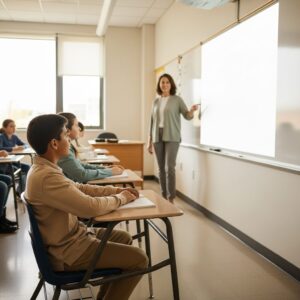
Educational and professional settings can be modified by integrating communication aids and adaptive technology. Use of visual and tactile aids, along with qualified interpreters, improves accessibility. Ensuring clear signage and workspace layouts enhances navigation and inclusion.
What policies can be adopted to ensure public spaces are inclusive for those who are deaf-blind?
Public spaces can be made more inclusive through policies that mandate accessibility standards. Regulations requiring tactile paths, visual alarms, and accessible information kiosks promote inclusivity. These changes underscore our commitment at New England Low Vision and Blindness to providing environments where everyone can thrive.
Experience Empowerment with Our Deaf-Blind Training
Unlock independence and enhance accessibility with our specialized Deaf-Blind Training services. Whether you’re an individual seeking tailored solutions, an organization striving to create inclusive environments, or a caregiver aiming to support loved ones, our training is designed to provide practical tools and strategies.
Learn More & Get Started Today
Discover NuCaption: Real-Time Solutions for the Deaf-Blind Community
Empower communication with NuCaption, the innovative tool designed specifically for the Deaf-Blind community. This real-time captioning solution transforms the way individuals interact with the world, providing clear, accessible, and immediate text translation during conversations. Whether you’re at a meeting, in class, or enjoying social events, NuCaption bridges the gap and fosters inclusive environments.
Learn more and explore how NuCaption can transform your experience today. Visit our product page NuCaption – Real-Time Solutions for the Deaf-Blind Community or watch our video https://youtu.be/gGF38aaFfqw