Managing Vision Changes as You Age: Essential Strategies and Resources for Maintaining Independence
Understanding Age-Related Vision Changes
Age-related vision changes affect nearly everyone over 40, with low vision becoming increasingly common as people reach their 60s and beyond. These changes range from normal aging processes to serious eye diseases that can significantly impact visual acuity and peripheral vision.
What Is Low Vision in Older Adults
Low vision refers to visual impairment that cannot be corrected with standard glasses, contact lenses, or medical treatment. In older adults, low vision typically means having visual acuity between 20/70 and 20/200 in the better eye with correction.
This condition falls between normal vision and legal blindness. People with low vision retain some usable sight but struggle with daily activities like reading, cooking, or recognizing faces.
Common characteristics of low vision include:
- Difficulty seeing fine details
- Reduced contrast sensitivity
- Problems with glare
- Limited peripheral vision
- Trouble adapting to lighting changes
Low vision affects approximately 12 million Americans over age 40. The prevalence increases dramatically with age, impacting nearly 20% of people over 85.
Unlike total blindness, low vision allows individuals to use their remaining vision effectively with proper training and assistive technology. Many people with low vision can maintain independence through adaptive techniques and specialized equipment.
Common Signs of Vision Decline
Vision loss in older adults often develops gradually, making early signs easy to miss. Recognizing these warning signs helps distinguish between normal aging and serious eye health concerns.
Early indicators include:
- Needing brighter light for reading
- Difficulty seeing in dim environments
- Increased sensitivity to glare
- Colors appear less vibrant
- Trouble judging distances
More significant symptoms include:
- Frequent squinting or eye strain
- Difficulty recognizing faces
- Problems reading street signs
- Challenges with stairs or curbs
- Bumping into objects
Vision changes may affect central vision, peripheral vision, or both. Central vision problems make reading and detailed tasks difficult. Peripheral vision loss impacts mobility and spatial awareness.
Some people experience fluctuating vision that varies throughout the day. Others notice specific problems like halos around lights or blind spots in their visual field.
These symptoms can significantly impact quality of life and safety. Early recognition allows for timely intervention and adaptation strategies.
Distinguishing Normal Aging From Eye Disease
Understanding the difference between normal age-related vision changes and eye disease helps determine when professional evaluation is necessary.
Normal aging typically involves:
- Presbyopia (difficulty focusing on close objects)
- Reduced pupil size
- Slower adaptation to light changes
- Slight decrease in color discrimination
- Mild reduction in tear production
Disease-related changes include:
| Condition | Primary Symptoms |
| Macular Degeneration | Central vision distortion, blind spots |
| Glaucoma | Gradual peripheral vision loss |
| Cataracts | Cloudy or blurry vision, glare sensitivity |
| Diabetic Retinopathy | Fluctuating vision, dark spots |
Red flag symptoms requiring immediate attention:
- Sudden vision loss
- Severe eye pain
- Flashing lights or new floaters
- Curtain-like vision loss
- Significant vision distortion
Normal aging progresses slowly and affects both eyes similarly. Eye diseases often develop asymmetrically and may progress rapidly without treatment.
Regular comprehensive eye exams help distinguish between normal changes and serious conditions. Early detection of eye disease allows for treatment that may preserve remaining vision and prevent further visual impairment.
Major Eye Conditions Affecting Aging Adults
Several age-related eye diseases can significantly impact vision quality and independence. Macular degeneration affects central vision, cataracts create cloudy vision, glaucoma damages peripheral sight through increased intraocular pressure, and diabetic retinopathy threatens the retina’s blood vessels.
Age-Related Macular Degeneration (AMD)
Age-related macular degeneration represents the leading cause of vision loss in adults over 50. This condition affects the macula, the central part of the retina responsible for sharp, detailed vision needed for reading and recognizing faces.
Two main types of AMD exist:
- Dry AMD: Accounts for 85-90% of cases with gradual vision loss
- Wet AMD: More severe form causing rapid central vision deterioration
Early symptoms include difficulty reading small print and recognizing faces from a distance. Straight lines may appear wavy or distorted, and dark spots can develop in central vision.
Risk factors include age, family history, smoking, and cardiovascular disease. Regular eye exams help detect AMD before symptoms become noticeable.
Treatment options vary by type. Nutritional supplements containing specific vitamins and minerals may slow dry AMD progression. Wet AMD requires immediate medical intervention with anti-VEGF injections to prevent further vision loss.
Cataracts and Cloudy Vision
Cataracts develop when the eye’s natural lens becomes cloudy, blocking light from reaching the retina clearly. This age-related condition affects nearly everyone by age 80, though severity varies significantly between individuals.
Common symptoms include blurry or cloudy vision, increased sensitivity to bright lights, and difficulty seeing at night. Colors may appear faded or yellowed, and halos around lights become more noticeable.
Cataract progression typically follows these stages:
- Early stage: Minimal vision impact
- Moderate stage: Noticeable vision changes
- Advanced stage: Significant vision impairment
Surgery remains the only effective treatment for cataracts. During the procedure, surgeons remove the cloudy natural lens and replace it with an artificial intraocular lens.
Most people experience dramatic vision improvement following cataract surgery. The outpatient procedure typically takes less than 30 minutes and has a high success rate with minimal complications.
Glaucoma and Intraocular Pressure
Glaucoma damages the optic nerve, usually due to elevated intraocular pressure within the eye. This condition often progresses silently, earning the nickname “silent thief of sight” because symptoms rarely appear until significant vision loss occurs.
Elevated pressure occurs when fluid inside the eye cannot drain properly. The buildup gradually damages nerve fibers, starting with peripheral vision before affecting central sight.
Primary glaucoma types include:
- Open-angle glaucoma: Most common form with gradual progression
- Angle-closure glaucoma: Less common but requires immediate emergency treatment
Risk factors include age over 60, family history, certain ethnicities, and existing medical conditions like diabetes. Regular comprehensive eye exams remain crucial for early detection.
Treatment focuses on lowering intraocular pressure through prescription eye drops, laser procedures, or surgery. Early intervention can effectively slow or halt further vision loss, emphasizing the importance of routine screening.
Diabetic Retinopathy and the Retina
Diabetic retinopathy affects individuals with diabetes when high blood sugar levels damage blood vessels in the retina. This serious complication can lead to severe vision loss if left untreated.
The condition progresses through distinct stages. Early stages may show no symptoms, while advanced diabetic retinopathy can cause bleeding into the eye and retinal detachment.
Disease progression includes:
- Mild nonproliferative: Small blood vessel damage
- Moderate nonproliferative: Blocked blood vessels
- Severe nonproliferative: More extensive vessel blockage
- Proliferative: New abnormal blood vessel growth
Symptoms include blurred vision, dark spots, difficulty seeing colors, and vision loss. Some people notice fluctuating vision that improves and worsens unpredictably.
Prevention involves maintaining good blood sugar control, regular eye examinations, and managing blood pressure. Treatment options include laser therapy, injections, and surgical procedures depending on severity and progression stage.
Free Helpful Downloads:
- Low Vision Guide: Twelve powerful action items after being diagnosed with macular degeneration or other vision loss https://nelowvision.com/macular-degeneration-help-resources/
- Living With Glaucoma Guide: Five comprehensive sections to give you insights and management strategies – https://nelowvision.com/living-with-glaucoma-helpful-resource/
Other Common Vision Changes With Age
Beyond major eye conditions, aging brings several gradual changes that affect daily vision tasks. These include focusing difficulties, decreased visual sharpness, reduced tear production, and altered color recognition.
Presbyopia and Difficulty Focusing
Presbyopia affects nearly everyone by age 45-50 and makes close-up tasks increasingly challenging. The eye’s natural lens becomes less flexible over time, reducing its ability to change shape for near vision.
Common signs include holding reading materials at arm’s length and experiencing eye strain during close work. Many people first notice difficulty reading small print, threading needles, or viewing phone screens.
Reading glasses provide the most straightforward correction for presbyopia. These magnify text and objects at close range, making daily tasks more comfortable.
Bifocals offer dual correction zones – the upper portion for distance vision and lower section for near tasks. The visible line between sections helps distinguish viewing areas but requires adjustment time.
Progressive lenses eliminate the visible line by gradually changing prescription strength from top to bottom. These provide seamless vision correction but may cause initial dizziness as your brain adapts to the changing focal points.
Blurry Vision and Reduced Visual Clarity
Age-related blurry vision develops gradually and affects both near and distance sight. The eye’s structures change over time, reducing overall sharpness and contrast sensitivity.
Many people experience increased difficulty distinguishing objects in low light conditions. Text may appear less crisp, and fine details become harder to discern during routine activities.
| Common Causes | Visual Impact |
| Lens clouding | Reduced contrast |
| Pupil size changes | Light sensitivity |
| Retinal changes | Detail recognition |
Regular eye examinations help identify whether blurry vision results from normal aging or requires medical intervention. Updated prescription lenses often restore functional vision for many daily activities.
Dry Eyes and Reduced Tear Production
Dry eyes become increasingly common after age 50 due to decreased tear production and changes in tear composition. The eyes may feel gritty, burn, or water excessively as a compensatory response.
Reduced tear quality affects the eye’s protective film, leading to discomfort during reading, computer use, or outdoor activities. Wind, air conditioning, and heating systems often worsen symptoms.
Artificial tears provide immediate relief by supplementing natural moisture. Preservative-free options work best for frequent use throughout the day.
Environmental modifications help manage symptoms effectively. Using humidifiers, wearing wraparound sunglasses outdoors, and taking regular breaks from screen time reduce eye irritation.
Color Perception Changes
Color perception changes occur gradually as the eye’s lens yellows with age. This natural process affects how we distinguish between certain color combinations, particularly blues and greens.
Reduced pupil size limits light entering the eye, making colors appear less vibrant overall. Pastels and subtle color differences become harder to identify in normal lighting conditions.
Many people notice difficulty matching clothing colors or distinguishing between similar paint shades. Traffic lights and electronic displays may appear less distinct than in younger years.
Improved lighting significantly helps with color recognition tasks. Using brighter bulbs, adding task lighting, and maximizing natural light exposure enhance color discrimination abilities.
Essential Steps for Managing Vision Changes
Proactive management through consistent eye care and professional guidance helps individuals adapt to age-related vision changes effectively. Key strategies include establishing routine monitoring schedules and exploring adaptive solutions tailored to individual needs.
Importance of Regular Eye Exams
Regular eye exams form the foundation of effective vision change management. Eye care professionals recommend annual examinations for adults over 60 to detect conditions early.
These comprehensive evaluations monitor progression of existing conditions and identify new concerns before they significantly impact daily activities. Early detection allows for timely intervention and better outcomes.
Key benefits of consistent eye exams include:
- Detection of glaucoma, cataracts, and macular degeneration in early stages
- Monitoring changes in prescription needs
- Assessment of overall eye health status
- Prevention strategies for further vision loss
Many age-related eye conditions develop gradually without obvious symptoms. Regular monitoring ensures changes are documented and addressed promptly by your eye doctor.
Working With an Eye Care Professional
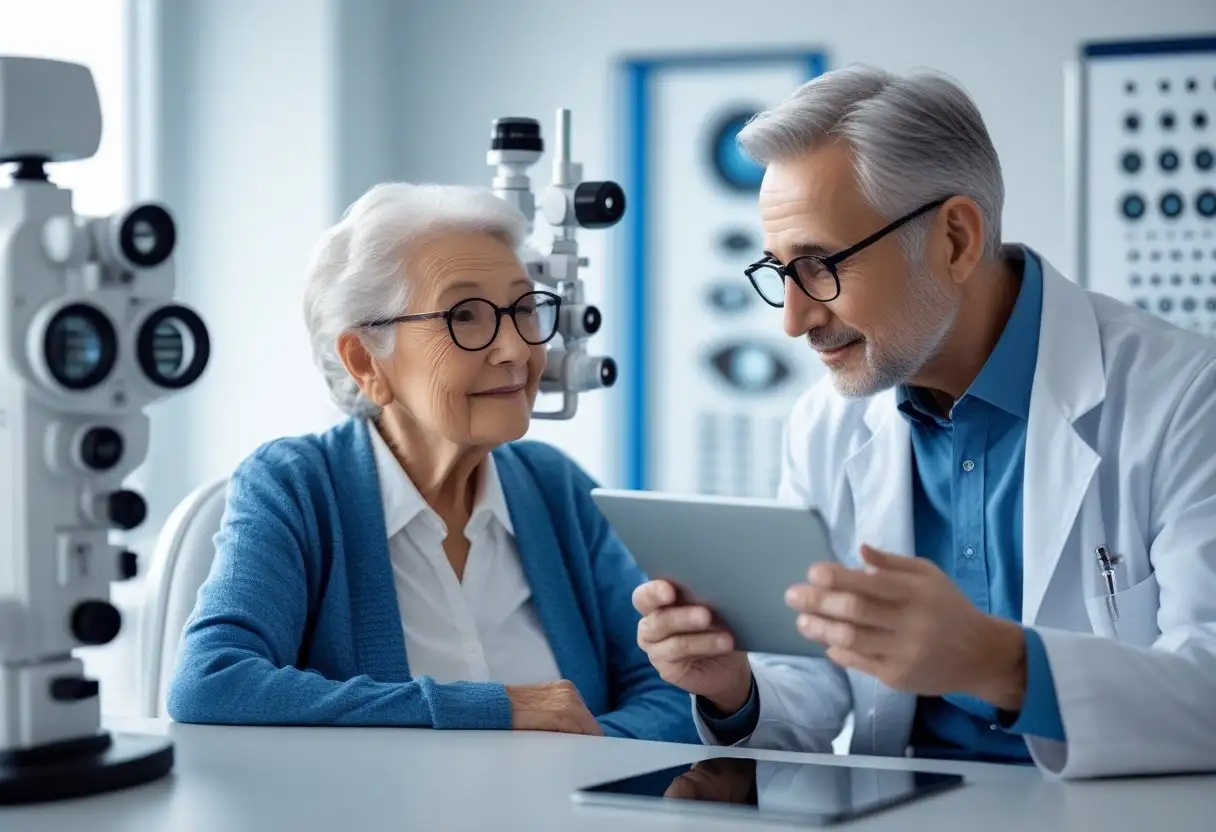
Building a strong relationship with an eye care professional ensures comprehensive support throughout your vision journey. Your eye doctor serves as your primary resource for medical treatment and referrals to specialized services.
Communication with your eye care team should include detailed discussions about daily challenges and functional goals. This information helps them recommend appropriate interventions and support services.
Essential topics to discuss:
- Specific visual difficulties experienced at home or work
- Medications that may affect vision
- Family history of eye conditions
- Lifestyle factors impacting eye health
Your eye care professional can connect you with additional resources including assistive technology specialists and low vision rehabilitation services. These connections provide comprehensive support beyond medical treatment.
Adapting Vision Correction Solutions
Vision correction solutions must evolve as your needs change over time. Traditional glasses and contact lenses may require frequent updates or alternative approaches as visual impairment progresses.
Common correction options include:
| Solution Type | Best For | Considerations |
| Updated prescriptions | Mild changes | Regular adjustments needed |
| Specialized lenses | Specific conditions | May require adaptation period |
| Magnification devices | Reading tasks | Training often beneficial |
| Assistive technology | Daily activities | Professional guidance recommended |
Working with assistive technology specialists helps identify tools that maximize remaining vision. These professionals provide training on devices that enhance independence and quality of life.
Regular reassessment ensures your correction solutions remain effective as conditions change. Your eye care team can adjust recommendations based on progression and new technologies available.
Vision Correction and Treatment Options
Effective vision correction requires understanding the full spectrum of available treatments, from traditional glasses and contact lenses to surgical interventions and specialized assistive devices. Low vision individuals benefit most from personalized approaches that combine multiple correction methods with rehabilitation services.
Choosing Between Glasses and Contacts
Reading glasses represent the most common solution for presbyopia, offering immediate improvement for close-up tasks. These single-vision lenses work well for people who primarily need help with reading or detailed work.
Bifocals provide distinct zones for distance and near vision, separated by a visible line. Progressive lenses offer a more seamless transition between distances without the line, making them popular among first-time wearers.
Multifocal lenses incorporate multiple prescription zones within a single lens. This design helps address various vision needs simultaneously, though some people require time to adapt to the different viewing zones.
Contact lenses offer several advantages for aging vision. Multifocal contact lenses work similarly to progressive glasses, providing clear vision at multiple distances while maintaining peripheral vision.
Monovision represents another contact lens approach where one eye corrects for distance and the other for near vision. This method works well for many people, though depth perception may be slightly affected.
Anti-reflective coating reduces glare and improves contrast, particularly beneficial for people with cataracts or other age-related conditions. This coating enhances visual comfort in various lighting conditions.
Surgical Interventions for Age-Related Conditions
Cataract surgery remains one of the most successful vision restoration procedures available. The clouded natural lens is replaced with an artificial intraocular lens, often dramatically improving vision quality.
Modern intraocular lens options include monofocal, multifocal, and toric designs. Monofocal lenses correct vision at one distance, while multifocal versions can reduce dependence on glasses for both near and distance vision.
Toric intraocular lenses specifically address astigmatism during cataract surgery. These specialized lenses can correct both cataracts and astigmatism simultaneously, reducing the need for additional corrective eyewear.
Recovery from cataract surgery typically takes several weeks. Most people notice improved vision within days, though complete healing and vision stabilization may take longer.
Other surgical options address specific conditions like glaucoma or retinal disorders. These procedures focus on preserving remaining vision rather than correction, making them particularly relevant for low vision management.
Assistive Devices and Low Vision Rehabilitation
Low vision rehabilitation extends beyond traditional correction methods to maximize remaining vision. Specialized training helps people adapt to vision changes and learn new techniques for daily activities.
Magnification devices include handheld magnifiers, stand magnifiers, and electronic video magnifiers. Each type serves different purposes, from reading medication labels to enjoying books or photographs.
High-contrast materials and improved lighting can significantly enhance visual function. Simple modifications like using black pens on white paper or installing task lighting make daily activities more manageable.
Our assistive technology specialists work with individuals to identify the most effective combination of devices and techniques. This personalized approach ensures that each person receives solutions tailored to their specific vision needs and lifestyle requirements.
Training programs focus on practical skills like reading, writing, and computer use with low vision aids. These services help people maintain independence and continue participating in meaningful activities despite vision changes.
Strategies to Enhance Quality of Life With Low Vision
Effective lighting adjustments, practical independence techniques, and vision protection methods form the foundation for maintaining an active lifestyle with visual impairment. These evidence-based approaches help reduce daily challenges while preserving your remaining sight.
Improving Lighting and Reducing Glare
Proper lighting serves as the cornerstone for managing visual impairment effectively. We recommend increasing ambient lighting to at least 100 watts in frequently used areas like kitchens and reading spaces.
Task lighting provides targeted illumination where you need it most. Position adjustable desk lamps or under-cabinet lights directly over work areas to eliminate shadows. LED bulbs offer consistent, bright light without generating excessive heat.
Glare reduction requires strategic placement of light sources and window treatments. Install blinds or curtains to control natural light intensity throughout the day. Sensitivity to glare varies among individuals, so experiment with different lighting angles to find what works best for your specific needs.
Consider these lighting modifications:
- Replace standard bulbs with higher wattage LEDs
- Add motion-sensor lights in hallways and bathrooms
- Use lampshades to diffuse harsh direct lighting
- Position computer screens perpendicular to windows
Anti-glare filters for electronic devices and yellow-tinted glasses can further reduce uncomfortable light reflection. These simple adjustments significantly improve your quality of life by making daily tasks more manageable.
Visit our Smart Home page to learn how we can help you purchase, setup, and train the right option for you! You can also read more articles by visiting this link.
Daily Living Tips for Independence
Organization systems enable you to navigate your home confidently and maintain your independence. Create designated storage areas for essential items and consistently return objects to their assigned locations.
High-contrast markers help identify important items quickly. Use white tape on dark surfaces or black markers on light-colored objects. Label frequently used items with large print or tactile markers for easy identification.
Kitchen modifications enhance cooking safety and efficiency:
- Use cutting boards with raised edges
- Install talking thermometers and timers
- Arrange spices alphabetically or by frequency of use
- Keep sharp knives in protective sheaths
Technology tools support daily activities through audio feedback and magnification. Large-button phones, talking clocks, and voice-activated devices reduce strain while performing routine tasks.
Establish morning and evening routines that follow consistent patterns. This predictability reduces the mental effort required for decision-making and helps you move through activities more smoothly.
Protecting Remaining Vision
Nutrition plays a crucial role in maintaining your existing vision and potentially slowing further deterioration. Leafy greens like spinach and kale contain high concentrations of lutein and zeaxanthin, powerful antioxidants that protect retinal cells from damage.
Include these vision-supporting foods in your daily diet:
- Dark leafy vegetables (spinach, kale, collard greens)
- Fish rich in omega-3 fatty acids (salmon, tuna, sardines)
- Colorful fruits and vegetables (carrots, bell peppers, berries)
- Nuts and seeds (almonds, walnuts, sunflower seeds)
Regular eye examinations allow your eye care professional to monitor changes and adjust treatment plans accordingly. Schedule appointments every six months or as recommended by your ophthalmologist.
UV protection prevents additional damage from harmful sunlight. Wear wraparound sunglasses with 100% UV blocking when outdoors, even on cloudy days. Wide-brimmed hats provide additional protection for your eyes and surrounding skin.
Avoid smoking and limit alcohol consumption, as both habits can accelerate vision loss. These lifestyle changes, combined with proper nutrition and regular medical care, help preserve your remaining sight for years to come.
Frequently Asked Questions
Understanding vision changes requires addressing common concerns about deterioration signs, home adaptations, assistive technologies, lifestyle modifications, professional consultation timing, and treatment options. These practical questions help individuals navigate low vision challenges effectively.
What are the common signs of vision deterioration in older adults?
Vision deterioration often begins with subtle changes that gradually become more noticeable. Common early signs include difficulty reading small print, needing brighter light for tasks, and experiencing increased glare sensitivity.
Many adults notice trouble distinguishing colors or seeing fine details clearly. Night vision problems become more apparent, making driving after dark challenging or unsafe.
Age-related changes also include reduced peripheral vision and difficulty adjusting between bright and dim lighting. Some individuals experience halos around lights or notice straight lines appearing wavy or distorted.
By age 75, nearly 5 percent of people develop low vision, while this number increases to 15 percent by age 85. These statistics demonstrate how vision changes accelerate with advancing age.
How can one adapt their home environment to better accommodate low vision?
Home modifications focus on improving lighting, reducing hazards, and enhancing contrast throughout living spaces. Installing bright LED bulbs in task areas like kitchens and reading spaces significantly improves visibility for daily activities.
Adding contrast tape to stair edges and using high-contrast markers on light switches creates safer navigation paths. Motion-sensor lights in hallways and bathrooms provide automatic illumination during nighttime movement.
Organizing frequently used items in consistent locations reduces searching time and frustration. Large-button phones, talking clocks, and high-contrast kitchen tools make routine tasks more manageable.
Removing throw rugs and securing loose cords eliminates tripping hazards. Placing bright tape on glass doors and furniture edges helps prevent collisions and injuries.
Are there assistive technologies available to help those with low vision?
Modern assistive technology offers numerous solutions for individuals experiencing vision loss. Electronic magnifiers can enlarge text and images from 2x to 75x magnification, making reading and detailed work possible again.
Screen reading software converts digital text to speech, allowing computer and smartphone use without relying on vision. Voice-activated devices help control home systems, make calls, and access information hands-free.
Portable text-to-speech reading devices scan printed materials and convert them to audible speech instantly. Smart glasses with built-in cameras can identify objects, read text aloud, and recognize faces.
Smartphone apps provide tools for identifying colors, reading currency, and navigating unfamiliar environments. GPS-enabled devices offer audio directions specifically designed for pedestrian travel and public transportation use.
What lifestyle changes can be made to preserve and improve eye health in aging individuals?
Regular eye examinations represent the most critical step in maintaining vision health as we age. Annual dilated eye exams can detect problems early, yet only two-thirds of people with diabetes follow this essential guideline.
Eating nutrient-rich foods high in vitamins A, C, and E supports retinal health. Leafy green vegetables, fish containing omega-3 fatty acids, and colorful fruits provide essential nutrients for eye function.
Wearing UV-protective sunglasses shields eyes from harmful solar radiation that accelerates age-related damage. Quitting smoking reduces the risk of developing macular degeneration and cataracts.
Managing chronic conditions like diabetes and high blood pressure prevents complications that directly affect vision. Maintaining healthy blood sugar levels specifically protects against diabetic retinopathy, the leading cause of blindness in working-age Americans.
How does one identify the right time to seek professional help for vision changes?
Professional consultation becomes necessary when vision changes interfere with daily activities or safety. Difficulty reading prescription bottles, recognizing faces, or managing household tasks indicates the need for immediate evaluation.
Any sudden vision loss, flashing lights, or new floaters requires emergency medical attention. These symptoms can signal serious conditions requiring prompt treatment to prevent permanent damage.
Changes in night vision or increased sensitivity to glare warrant professional assessment. Problems with depth perception or frequent falls may indicate underlying vision issues needing correction.
When existing glasses no longer provide adequate vision correction, comprehensive eye examination can determine if new prescriptions or low vision services would help. Vision rehabilitation programs can teach adaptive techniques for maximizing remaining sight.
What are the treatment options for age-related eye diseases like macular degeneration and glaucoma?
Macular degeneration treatment varies based on the specific type and progression stage. Dry macular degeneration management includes nutritional supplements containing specific vitamins and minerals that may slow disease progression.
Wet macular degeneration requires more aggressive intervention, often involving anti-VEGF injections directly into the eye. These treatments can stabilize vision and sometimes improve visual acuity when administered promptly.
Glaucoma treatment focuses on reducing intraocular pressure through prescription eye drops, laser procedures, or surgical interventions. Early detection and consistent treatment can prevent significant vision loss from this condition.
Low vision rehabilitation services help individuals adapt to permanent vision changes from these diseases. Training with assistive technology specialists teaches techniques for maintaining independence despite reduced visual function.
We can help!
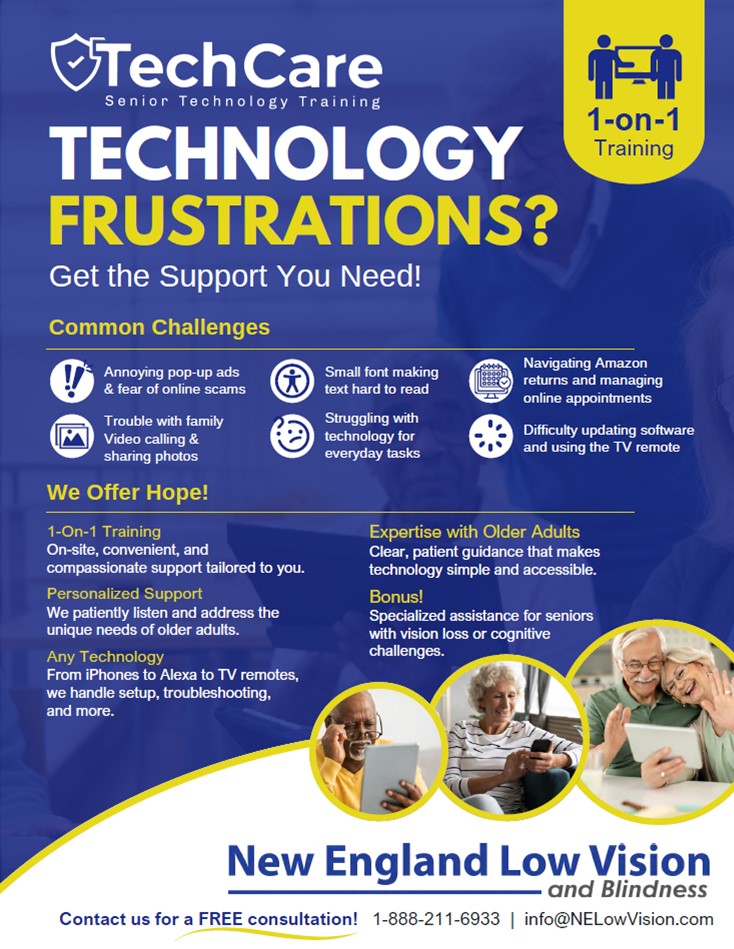
Struggling with everyday technology? Our patient 1-on-1 training makes tech simple, accessible, and stress-free — even for seniors with vision loss or cognitive challenges. Call 1-888-211-6933 today for your FREE consultation!