How to Manage Finances and Bills with Low Vision: Practical Tips for Independence
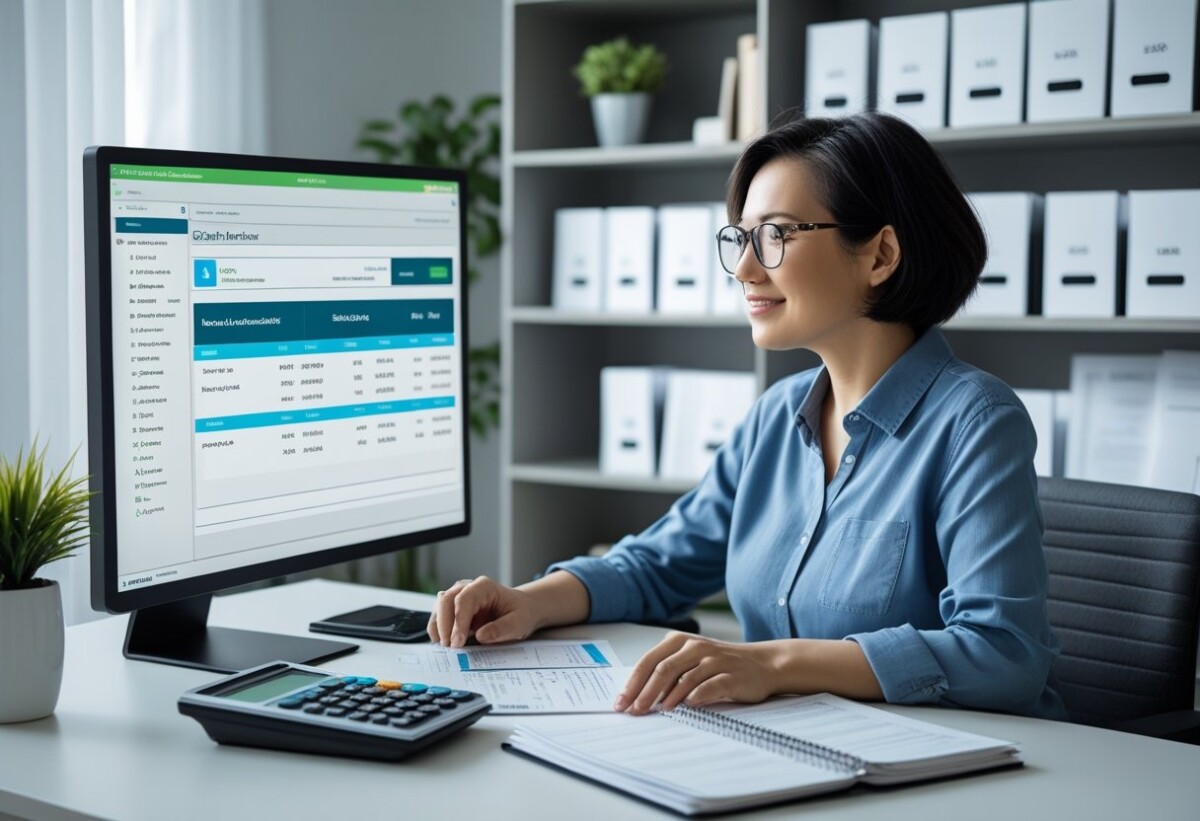
Accessible Tools and Resources for Managing Finances
Managing finances with low vision requires using technology, tactile tools, and accessible resources that help maintain independence and accuracy. From check writing guides to accessible banking features, it’s possible to handle payments and budgets securely and with greater confidence.
Choosing the Right Low Vision Aids
Selecting the appropriate low vision aid is crucial for comfortable money management. Magnifiers, electronic video magnifiers, and screen readers help us read bank statements, bills, or receipts with greater clarity.
A large number calculator or talking calculator can make arithmetic tasks much simpler. Text-to-speech devices allow us to listen to account details and transaction histories. Some people find it helpful to use tactile tools, such as check writing guides, for aligning checks and signature fields. The Bureau of Engraving and Printing offers currency readers to identify bills independently.
By working with low vision specialists, we can identify which combination of visual aids or adaptive technology best fits our money management routines. Training and personalized recommendations can also make a difference, increasing both confidence and effectiveness.
Using Large Print and Large Number Checks
Large print and large number checks allow us to write checks accurately and consistently, minimizing errors caused by misreading small print. Banks and check printing companies offer options with bold, oversized fonts, which are particularly valuable for those with moderate to severe visual impairments.
A check writing guide is another essential tool. Placing a sturdy plastic template over a check ensures proper alignment for signatures and written amounts. Some guides have raised lines for easier placement.
When ordering new checks, we can request customizations such as extra spacing and contrasting colors. We recommend reaching out to your financial institution or ordering from suppliers who specialize in accessible financial products for the visually impaired.
Financial Recordkeeping Solutions for the Visually Impaired
Maintaining an organized record of bills, expenses, and bank transactions is easier with today’s accessible financial tools. Digital platforms, like accessible financial apps, can read balances and transactions aloud and convert text into large print formats on mobile devices.
Color-coded folders or tactile labels (such as bump dots or raised print) help organize paper bills and statements at home. Talking bookkeeping tools and accessible spreadsheets allow us to track expenses, investments, and account activity audibly or visually, according to our needs.
Personal finance software, combined with regular file backups, supports independence and financial safety. We recommend exploring options and features to match your workflow and vision requirements.
Leveraging Accessibility Features in Banking
Many banks now offer accessible banking services, such as large print or audio statements, talking ATMs, and secure online banking platforms that are compatible with screen readers. By enabling accessibility features in banking apps, we can increase text size, activate high-contrast modes, and receive push notifications for transactions.
Digital wallets can further simplify payments and budget management—voice assistants and fingerprint security safeguard access, while automatic bill pay ensures timely payments. Information about accessible features is often available on banking websites or by request from a customer service representative.
We believe in educating ourselves about what’s available and requesting adaptations, ensuring that low vision does not limit our ability to manage finances independently and securely.
Establishing Systems for Bill Payment and Financial Organization with Low Vision
Managing our bills and records independently often requires reliable systems. With adaptive strategies and accessible tools, we can streamline financial tasks and maintain control over our finances.
Setting Up Automated Payments and Alerts
Automating bill payments helps reduce missed deadlines and the risk of costly late fees. Most banks and utility providers offer automated payment features, allowing us to schedule recurring transactions for set dates. This setup can be handled online or over the phone, which is particularly useful if screen access technology is needed.
Setting up financial alerts on our accounts ensures we stay informed about due dates, withdrawals, and unusual activity. Alerts can arrive by text, email, or even automated phone calls. Choosing high-contrast or audio notification systems can make staying on top of our finances easier, particularly for those of us with limited vision.
Organizing Financial Records with Labels and Technology
Clearly labeled folders and envelopes are essential for keeping track of paper bills and statements. Using tactile markers or large-print labels can differentiate between types of documents—such as utilities, credit cards, or medical bills. We recommend a dedicated file box placed in an easily accessible location.
For digital organization, accessible apps and software provide helpful alternatives. Some tools integrate with screen readers or magnifiers, allowing us to sort documents electronically. Digital bill pay features, often included in banking apps, can centralize our accounts for easier management—see these bill organization ideas for inspiration.
Best Practices for Tracking Expenses
Monitoring our spending is vital for day-to-day financial independence. We can use large-print or braille check registers to jot down expenses as they occur. For digital solutions, accessible spreadsheets or expense-tracking apps offer categorized lists that support both manual entry and automatic imports from bank accounts.
Including adult children or trusted helpers can add another layer of accountability. Establishing a routine—such as a weekly or monthly bill check—keeps us updated and reduces the chance of overlooked payments. Lists or tables that summarize due dates and amounts for each expense category can further support organization; for additional tips, visit this guide to tracking bills and payments.
Adapting Daily Money Management Strategies with Low Vision
For those navigating daily life with low vision, handling finances requires practical strategies, the right assistive tools, and thoughtful routines. Maintaining independence while ensuring accuracy is central to managing bills, forms, and wellness.
Simple Writing and Marking Tools for Checks and Forms
Accurate completion of checks and forms can be challenging with low vision. We recommend using a 20/20 pen or a large tip pen. These pens produce bold, thick lines that are easier to see, reducing confusion or mistakes.
Writing guides—such as check writing templates or signature guides—help us keep lines straight and signatures within the intended space. These guides are often made of sturdy plastic and feature cutouts for standard check and signature locations.
When marking forms, try using bold colored stickers or tactile dots. These small identifiers can quickly help visually impaired users locate important fields or sections when reviewing documents. A contrasting clipboard or writing surface can provide additional visual clarity. We suggest storing these tools together in a labeled pouch for easy access.
Diet and Health Considerations for Macular Degeneration
Macular degeneration can make managing finances and reading bills even more difficult, especially as vision changes. Certain lifestyle choices may help slow progression and support eye health.
A diet rich in leafy greens, colorful vegetables, and foods high in lutein and zeaxanthin is recommended. Regular intake of omega-3 fatty acids from fish and nuts may also provide benefits. For those seeking more guidance, the macular degeneration diet is designed to optimize eye health and overall well-being.
Appropriate glasses or magnification aids should be updated as vision changes to make reading print material as clear as possible. We suggest consulting with an eye care professional and exploring adaptive technology for viewing and organizing bills.
Supporting Aging Parents with Financial Tasks
Helping aging parents who are visually impaired manage their finances is a delicate responsibility. Open communication about daily money routines and bill schedules is essential.
We find that organizing bills and important documents in large, labeled folders helps minimize missed payments. Routine use of electronic bill pay, coupled with large print statements, allows for easier monitoring and verification. For more detailed guidance and support options, see resources for managing finances as a visually impaired individual.
If parents are comfortable, involving trusted family members or a financial advisor can provide an extra layer of support while respecting independence. Technology training for electronic payments and budgeting tools can also foster confidence and autonomy.
Financial Support, Legal Considerations, and Advocacy for Managing Finances and Bills with Low Vision
Understanding how to navigate finances with low vision involves knowing where to find reliable assistance, securing legal protection, and supporting independence through community networks. Taking a proactive approach empowers us to make informed decisions and maintain control over our daily financial management.
Accessing Financial Assistance and Disability Resources
Many people with visual impairments are eligible for specific financial assistance programs designed to relieve cost burdens. This may include Social Security Disability Insurance (SSDI), Supplemental Security Income (SSI), and state disability benefits. These programs help cover everyday expenses, assistive devices, and necessary home modifications.
Community organizations and government agencies often provide support services tailored to people with disabilities. For example, they can connect us to accessible banking options and adaptive technology. Resources like large-print checks, talking ATMs, and bank statements in braille or digital formats improve money management.
Staying up to date with available benefits is crucial. Disability assistance programs and financial aid resources are frequently updated, so we recommend visiting reputable sites and connecting with service coordinators. Learn more about financial resources and supports for disabilities for a detailed overview.
Guardianship, Conservatorship, and Power of Attorney
Legal tools such as guardianship, conservatorship, and power of attorney ensure our financial interests remain protected. A power of attorney lets us appoint a trusted person to manage finances or legal affairs if we are unable to do so. This can include paying bills, handling property, or making banking decisions.
If we need more comprehensive oversight, a family member or professional may be assigned as a guardian or conservator through a legal process. Guardians make personal and medical decisions; conservators manage property and finances. These arrangements require careful planning and clear documentation to avoid misunderstandings or misuse.
It’s essential to seek assistance from a qualified attorney or a local legal aid service when setting up these safeguards. Proper legal arrangements provide peace of mind and accountability for financial matters.
Promoting Independence Through Community Support
Maintaining independence with low vision is possible through strong community and peer support. Local centers for the visually impaired often offer workshops on budgeting, bill paying, and using assistive technologies. These programs teach practical skills to help us confidently manage our own money.
Advocacy groups and nonprofits can connect us with trained advocates, who can assist with bill negotiation or accessing public benefits. We can also benefit from support groups—whether in-person or online—where members share strategies, tools, and experiences.
We encourage seeking guidance from organizations focused on visual disabilities. With the right support network, we gain tools and knowledge to handle our finances independently while staying connected to resources that promote accessibility and self-sufficiency.
Frequently Asked Questions: How to Manage Finances and Bills with Low Vision
Managing finances with low vision is easier with the right strategies, leading-edge tools, and practical routines. We can adapt money management, banking, shopping, and fraud prevention methods to support independence and security for people with visual impairment.
What strategies can low vision individuals use to identify different bills and coins?
Folding bills in unique ways helps us quickly distinguish denominations. For example, folding $1 bills twice from left to right, $5 bills once from left to right, and $10 bills lengthwise, then again from left to right creates a simple tactile system. Keeping $50 bills unfolded or using a paperclip on $100 bills also works well. Coin organizers and talking coin sorters can help us keep coins sorted and easily accessible. More details about these strategies can be found in this money management guide for the visually impaired.
How can someone with visual impairment safely conduct banking transactions?
Online and mobile banking platforms with accessibility features let us check balances, transfer funds, and pay bills independently. Many banks now offer talking ATMs, large print checks, Braille statements, and telephone banking. Using secure passwords, enabling two-factor authentication, and setting up automatic payments also help increase safety and reduce manual tasks. For more, see this resource on accessible banking services.
What tools or technologies are available to assist low vision individuals in budgeting and financial planning?
Screen readers, magnification software, and specialized apps make budgeting and tracking expenses possible for people with low vision. Some leading-edge financial management tools are compatible with voice commands and magnifiers, allowing us to navigate banking apps or spreadsheets without strain. Personal finance resources such as large print calculators and accessible budgeting templates are also helpful. Explore tips for financial independence and the available tools.
How can individuals with low vision effectively organize and pay their bills?
Setting regular reminders and using calendars—either tactile or digital—helps us keep track of due dates. Many companies allow us to set up automatic bill pay or bank drafts by phone or online, reducing the need for handling physical mail. Color-coded folders, Braille or large print labels, and accessible apps for scanning and sorting bills help us stay organized and prevent missed payments. Information on managing this process is available through resources on accessible online bill pay and banking.
What are the best practices for low vision persons when shopping or checking prices in stores?
We often use smartphone apps, handheld magnifiers, or portable video magnifiers to read price tags and receipts more easily. Asking staff for assistance, using store loyalty apps with accessible features, and setting a shopping list beforehand can streamline the process. It is important to double-check totals and request accessible receipts when possible. Shopping tips and accessible banking suggestions can be found in this guide on money management for people with disabilities.
How can low vision individuals safeguard against financial fraud and errors?
We recommend reviewing account activity regularly using accessible online or telephone banking. Setting text or email alerts for unusual transactions or low balances increases our awareness of possible fraud. Never sharing PINs or passwords, using strong authentication, and reporting lost cards or suspicious activity right away are important steps. Asking banks for accessible statements or notifications adds another layer of security. More prevention strategies are covered in this article about managing finances with low vision.
How Can We Help
TechCare
Regain confidence and simplify your daily routines with our TechCare Senior Technology Training at New England Low Vision and Blindness. Whether it’s learning to navigate your smartphone, set up video calls with loved ones, or manage online appointments, our experts provide personalized, one-on-one support tailored to the unique needs of older adults. From iPhones to Alexa and everything in between, we make technology accessible, approachable, and stress-free.

With our TechCare service, we help you learn, set up, troubleshoot, and feel confident using the technology that matters most to you! Contact us today for a free consultation. Visit https://nelowvision.com/retirement-community-ideas/ to learn more.
Smart Home
Enhance your independence and safety with our Smart Home Service at New England Low Vision and Blindness. From voice-activated lighting to accessible home automation systems, we specialize in customizing your living environment to meet the needs of individuals with low vision. Discover how our experts can help you create a smarter, more functional home by visiting our Smart Homes page https://nelowvision.com/smart-homes/

With our Smart Home service, we help you learn, purchase, set up, and train the right option for you!