Sports Safety Tips for Individuals with Low Vision: Essential Guidelines for Safe Participation
Safety First for Sports Enthusiasts with Low Vision
Sports safety for low vision individuals is an important consideration when promoting an active and healthy lifestyle. At New England Low Vision and Blindness, we believe that visual impairment should never be a barrier to enjoying physical activity. We are dedicated to helping individuals with low vision confidently and safely participate in sports by providing practical guidance and essential safety tips. With the right support and precautions, people with visual impairments can reduce the risk of injury and fully engage in the sports they love.
Understanding the importance of tailored guidance and specialized equipment is crucial when preparing for sporting activities. Using sports gear like protective goggles or balls with bells can greatly enhance safety and enjoyment. Resources such as guidance ropes or sighted guides can help visually impaired athletes navigate different terrains and environments, enabling them to pursue their sports goals with assurance.
We believe that everyone deserves to enjoy the benefits of physical activity, and our leading-edge resources are here to support that vision. Our goal is to bring hope and inspire confidence in individuals with low vision, helping them lead active and fulfilling lives. Explore these valuable tips to ensure safety and enjoyment in your sports adventures.
Understanding Vision Challenges
Engaging in sports with a low vision often requires understanding specific vision challenges. Addressing these challenges can enable individuals to safely enjoy the benefits of physical activity. Our aim is to provide clarity on how visual impairments impact sports participation, how they are categorized, and how various eye conditions affect physical activities.
Visual Impairment and Sports
Participating in sports offers numerous benefits for individuals with visual impairments. Physical activity promotes health, enhances social interaction, and improves self-esteem. While some individuals with reduced vision may experience difficulties like impaired depth perception or limited peripheral vision, adjustments and adaptations allow for safe participation. For instance, using bright, contrasting colors for equipment and guidewire systems can help individuals track movement more effectively. By leveraging assistive technology and making environmental adaptations, we can enhance sports experiences for those with visual impairments.
Categories of Visual Impairment
Visual impairments are categorized based on the severity and type of vision loss. Categories include partial vision loss, low vision, and blindness. Partial vision loss may involve issues like refractive errors or astigmatism, whereas low vision might encompass substantial loss of visual acuity. Blindness, including blindness in children, refers to complete vision loss or severely limited sight. Each category requires different support strategies and adaptations to facilitate participation in physical activities. Our goal is to address each individual’s specific needs through tailored solutions and provide leading-edge resources for every category of impairment.
Impact of Eye Conditions on Physical Activity
Various eye conditions have unique impacts on physical activity. Conditions like cataracts, glaucoma, or macular degeneration can alter depth perception and field of vision. Such conditions may complicate tasks requiring precise visual focus or fast reaction times. Athletes with refractive errors might require specialized corrective lenses. Understanding these impacts allows us to develop specific strategies and tools to support athletes. With a range of resources and assistive technologies, we strive to help mitigate these challenges and empower individuals to participate actively and safely in sports.
Preventative Eye Care and Protection
We understand the importance of eye safety for individuals with low vision. Effective preventative eye care and protection are vital in reducing the risk of eye injuries and eye strain. In this section, we’ll discuss comprehensive eye exams, the significance of wearing protective eyewear, and how to select the right safety glasses.
Comprehensive Eye Exams
Regular comprehensive eye exams are a key component of preventative eye care. They help detect any early signs of eye conditions that may lead to further vision impairment. These exams include various tests that assess visual acuity, eye pressure, and overall eye health. It’s crucial for those with low vision to attend scheduled exams as recommended by their eye care professionals.
During these exams, we focus on identifying any changes in vision or the early onset of conditions like glaucoma or cataracts. This proactive approach allows us to address potential issues promptly. Scheduling regular exams with an eye care provider ensures that necessary interventions can be applied early, providing a better chance of maintaining eye health and mitigating any progression of visual impairment.
Importance of Protective Eyewear
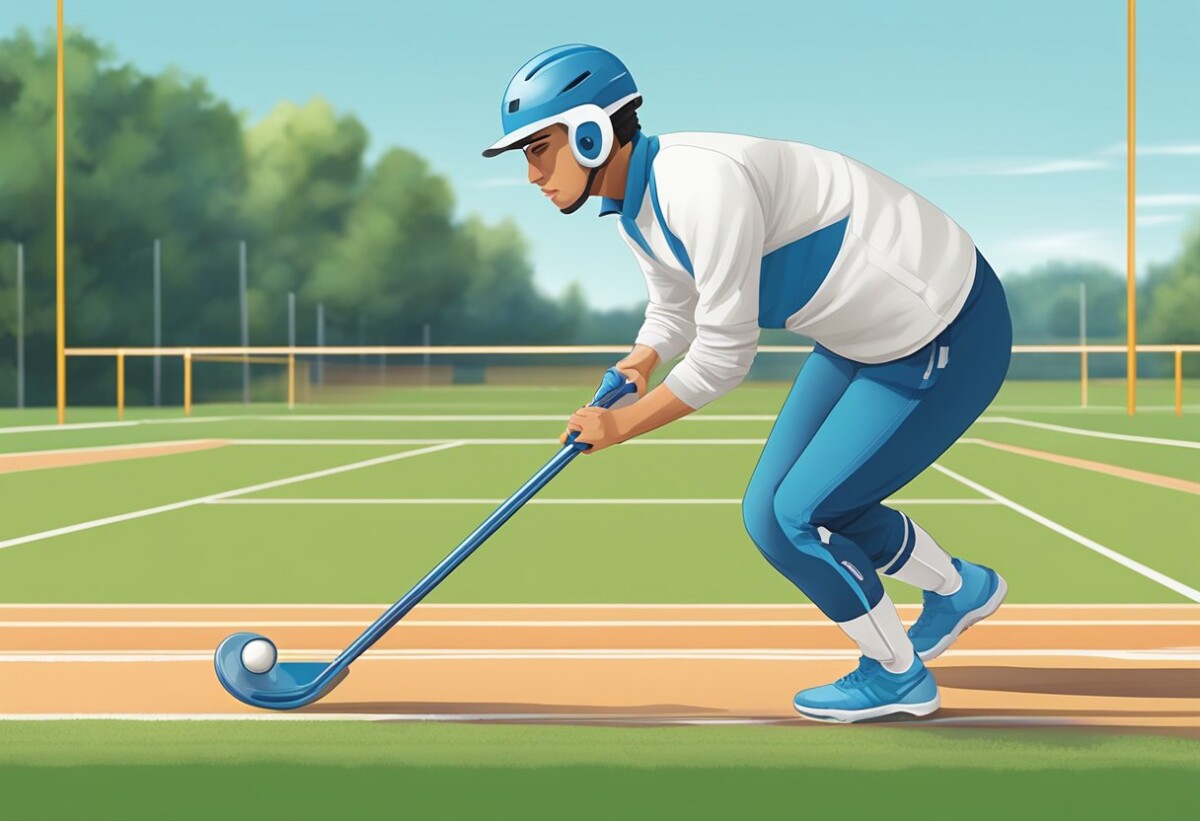
For individuals engaged in sports or other physical activities, wearing protective eyewear is essential to prevent eye injuries. These glasses are designed to shield the eyes from hazards such as flying debris or accidental contact. Protective eyewear is particularly crucial in preventing sports-related injuries, which can result in significant vision loss if not properly managed.
Protective eyewear includes lensed polycarbonate protectors and other materials built to withstand impact. We emphasize the importance of selecting eyewear that fits well and is specifically designed for the type of activity you’re engaged in. Properly fitted protective glasses not only enhance safety but also improve confidence when participating in sports.
Selecting the Right Safety Glasses
Choosing the right safety glasses involves considering both the type of sport and the specific needs of the wearer. There are options with varying designs and materials, tailored to different levels of risk and activities. It’s critical to select a pair that meets established safety standards and fits comfortably to ensure the highest level of protection.
For individuals with prescription eyewear needs, options include prescription-compatible protective glasses. Consulting with eye care professionals can help make informed decisions about which type of eyewear offers the best protection and functionality. Our aim is to provide solutions that integrate seamlessly with corrective needs while maximizing safety and comfort.
Adaptive Sports Equipment
Adaptive sports equipment is essential for individuals with low vision to safely enjoy a range of recreational activities. By customizing equipment and using technological aids, we can create more inclusive environments for athletes who are blind or visually impaired.
Customizing Equipment for Safety
Customizing equipment is crucial in ensuring safety and enhancing participation in sports for those with low vision. Modifications like bright colors or contrasting tape can make equipment more visible. Using sports equipment that incorporates sound, such as balls with bells, helps in tracking and responding to movements.
For example, a guidewire system set up in a gym or field can aid in navigation, allowing individuals to move confidently. These enhancements increase engagement and reduce the risk of injury, making sports both enjoyable and safe.
Technological Aids and Enhancements
Technological aids provide additional support for visually impaired athletes, improving their experience in sports. Devices like electronic whistles and beeping goal posts offer auditory cues that guide players during games. Leading-edge technology such as talking GPS systems or apps specifically designed for visually impaired athletes can also enhance orientation and mobility on the field.
Moreover, wearable technology, such as sensors or smart glasses, further assists in communication and feedback, allowing athletes to stay informed and make informed decisions about their actions in real-time. By integrating these technologies, we ensure a more accessible and engaging sports experience.
Safe Participation in Sports
Ensuring that individuals with low vision can safely participate in sports requires understanding the unique adaptations needed. This involves collaboration with coaches and teammates, creating supportive environments, and addressing specific medical concerns such as diabetes-related vision issues. Our approach aims to empower those who are blind or visually impaired through structured, inclusive practices.
Educating Coaches and Teammates
Effective communication with coaches and teammates is crucial for safe sports participation. By educating them about the needs of athletes with low vision, we foster an environment of support and understanding. Training sessions can be scheduled to provide information on adaptive techniques and explain the importance of these adjustments.
Coaches should be aware of the different types of visual impairments and how they can affect performance. Visual aids or even tactile signals might be used during practice. Additionally, emphasizing patience and encouragement helps build a supportive community. Understanding each athlete’s specific needs helps tailor training methods to accommodate their abilities, ensuring everyone feels included and motivated.
Creating Inclusive Sports Environments
Inclusive sports environments help accommodate the unique needs of individuals who are blind or visually impaired. Simple modifications, such as using brightly colored equipment or contrasting field lines, can significantly improve participation. Audible cues or guide wires can guide athletes around the playing area effectively.
Indoor and outdoor spaces should have clear, accessible paths. Facilities must offer adaptive equipment and ensure regular maintenance to prevent hazards. Collaboration with organizations focused on vision resources can enhance facilities and staff training. Combined, these efforts create spaces where everyone can safely enjoy recreational activities without unnecessary obstacles.
Managing Diabetes-Related Vision Issues
For individuals with diabetes, vision issues pose specific challenges when participating in sports. Regular eye examinations and maintaining blood sugar control are vital preventive measures. Understanding the connection between diabetes and vision loss helps in planning safe sporting activities.
Educating athletes about how diabetes-related vision changes can affect their balance and coordination is key. Sharing information on appropriate protective gear can also prevent injuries. Providing access to resources such as glucose monitoring devices ensures athletes can manage their condition effectively during activities. By staying informed and prepared, those with diabetes can actively engage in sports while maintaining their eye health.
Corrective Eyewear and Vision Aids
Effective corrective eyewear and vision aids can significantly enhance vision for individuals with low vision. From eyeglasses and contact lenses to specialized vision aids, each tool plays a vital role in daily functionality and sports safety.
Choosing Corrective Eyeglasses and Contact Lenses
Selecting the right eyewear involves understanding both functionality and comfort. Eyeglasses with the correct prescription help maximize clarity and can be customized to suit individual needs. Lightweight frames and lenses provide comfort during extended wear, especially during sports activities. High-index or polycarbonate lenses are excellent for durability and impact resistance, making them ideal for active environments.
Contact lenses are another option, providing a wider field of vision. They are less likely to be obstructed or displaced during physical movement, which is beneficial in sports. Monthly or daily disposables depend on individual preferences and lifestyles. Consulting with an eye care professional ensures proper fit and use for both eyeglasses and contact lenses.
Utilizing Vision Aids for Better Perception
Vision aids extend beyond conventional eyewear to offer specialized support. Tools like magnifiers and electronic vision aids greatly enhance detail recognition and depth perception. Devices such as bioptic telescopes can be mounted onto eyewear to help with distant and near vision tasks, proving useful during activities that require precise judgment.
For sports, customizing vision aids to the individual’s sport and needs is crucial. For instance, specialized goggles with built-in magnification aid athletes with severe visual impairment. Additionally, adaptive sports eyewear designed for specific conditions, like bright sunlight or low light, can improve performance. As New England Low Vision and Blindness, we bring hope and empower individuals through the leading-edge technology and services we provide, ensuring each person can actively and safely engage in their favorite sports.
Frequently Asked Questions About Sports Safety Tips for Individuals with Low Vision
Exploring sports safety for those with visual impairments involves understanding the right equipment, adaptive strategies, and training methods. It is essential that coaches and participants work together to ensure a safe and enjoyable experience for all.
What safety equipment is recommended for athletes with visual impairments?
Athletes with visual impairments can benefit from using safety goggles or lensed polycarbonate protectors during activities like racquet sports or basketball to protect their eyes from injuries. Additionally, wearing brightly colored or reflective clothing can enhance visibility for others on the field.
How can one adapt sports activities for individuals who have low vision?
Adapting sports activities involves using tactile markers or creating a tactual perimeter for workout spaces. Incorporating audio cues or using brighter colored equipment can also help in assisting low vision athletes in tracking objects and understanding boundaries on the playing field.
What strategies can be employed to prevent sports-related injuries in those with vision challenges?
Ensuring open communication and verbal instructions during sports activities is crucial. Implementing a guidewire system in gymnasiums or fields offers additional orientation support. Regularly assessing spaces for potential hazards plays a role in minimizing risks of accidents during exercises or games.
Are there any specific training methods for enhancing spatial awareness in visually impaired athletes?
Training methods for spatial awareness include using audio-based drills that focus on sound localization and balance exercises that improve coordination. Consistent practice with these techniques helps athletes become familiar with their environment and boosts their confidence.
What are the best practices for coaches working with low vision participants in sports?
Coaches should provide clear, concise verbal cues and information in accessible formats like Braille when needed. Encouraging feedback and fostering an environment of trust and collaboration are vital. Understanding each athlete’s specific needs ensures personalized and effective coaching.
How does one modify a play area to ensure the safety of participants with reduced sight?
Modifying play areas involves using contrast tape or tactile markings for boundaries and obstacles. Implementing guided paths and ensuring the field is free from potential hazards are important. Creating a safe, inclusive space encourages participation and enhances the experience for all athletes with low vision.
Discover the Best Low Vision Solutions Today
At NELowVision.com, we are committed to helping individuals with visual impairments regain independence and improve their quality of life. Our Top 10 Low Vision Aids for People Who are Visually Impaired features expertly selected tools designed to address everyday challenges, from enhancing reading and writing to simplifying daily tasks. Explore our comprehensive range of low vision aids and find the perfect solution to meet your unique needs. Visit us today and take the first step toward a brighter, more accessible future!