The Revolution of Digital Accessibility: Top iOS Apps for Low Vision Users
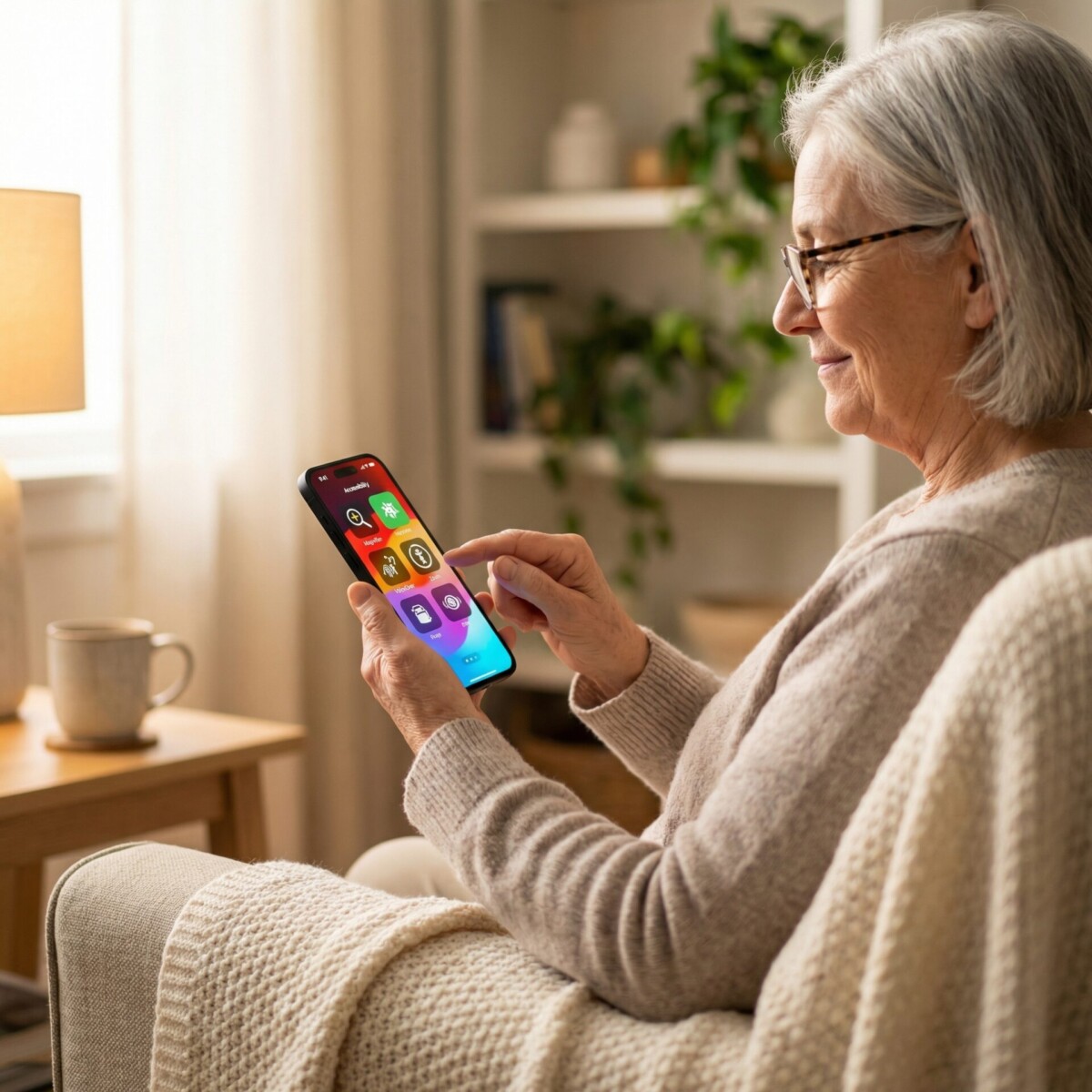
Ten years ago, if you could not read a restaurant menu or a street sign, your options were limited. Ask someone nearby for help, carry a bulky magnifier, or simply go without. Today, the phone in your pocket can read that menu aloud, describe the scene around you, and guide you to your destination step by step.
This is not a small improvement. It is a revolution in what daily independence looks like for people with low vision.
From Basic Tools to Intelligent Assistants
The first generation of iOS accessibility apps for low vision were simple by today’s standards. Early magnifier apps zoomed in on text. Basic screen readers spoke what was on your screen. They helped, but they required a lot of effort from the user.
The shift happened when artificial intelligence entered the picture. Instead of just magnifying or reading, apps started understanding what they were looking at. They could identify objects, recognize faces, describe entire scenes, and even read handwriting.
This matters because low vision is not just about making things bigger. It is about accessing information that was previously out of reach entirely.
How AI Changed Everything
Seeing AI, released by Microsoft, was one of the first apps to show what AI could do for people with visual impairments. Point your iPhone camera at a document and it reads the text instantly. Aim it at a person and it tells you who they are if you have saved their face. Turn it toward a room and it describes the scene.
What made Seeing AI revolutionary was not any single feature. It was the idea that your phone could act as a second pair of eyes, interpreting the visual world and translating it into something you could hear and understand.
Be My Eyes took a different approach. Instead of relying on AI alone, it connected people with visual impairments to sighted volunteers through live video calls. Need help matching an outfit, reading an expiration date, or figuring out which button to press on a new appliance? A volunteer sees through your camera and talks you through it.
The app now includes an AI assistant powered by advanced language models that can handle many tasks without a human volunteer. This combination of human help and AI creates a safety net that was unimaginable a decade ago.
Top iOS Accessibility Apps for Low Vision Today
Reading and text recognition has been transformed by apps like Seeing AI, Voice Dream Reader, and KNFB Reader. Where you once needed expensive dedicated devices, your iPhone now handles text recognition with remarkable accuracy.
Navigation has seen equally dramatic changes. Lazarillo provides continuous audio descriptions of your surroundings as you walk, announcing businesses, intersections, and landmarks without you needing to look at your screen. Google Maps has steadily improved its walking directions with voice guidance that works seamlessly with VoiceOver.
Object and scene recognition represents the newest frontier. Envision AI can identify products, read labels, and describe what your camera sees, even without an internet connection. Apple’s own Detection Mode in the Magnifier app now describes scenes and detects people nearby in real time.
Smart home integration has made the home more accessible than ever. Siri, Apple’s voice assistant, controls lights, thermostats, locks, and entertainment systems entirely by voice. Combined with the Home app, people with low vision can manage their entire living environment without needing to see a single button or switch.
What Makes iOS Different
Apple has made accessibility a core feature rather than an afterthought. VoiceOver, the built-in screen reader, works across every app on your iPhone. Dynamic Type lets you adjust text size system-wide. Color filters and display accommodations adapt the screen to your specific vision needs.
This matters because third-party apps built for iOS inherit these accessibility foundations. When developers build apps for iPhone, they can tap into a system that already supports screen reading, voice control, and magnification. The result is a larger ecosystem of accessible apps than any other mobile platform offers.
Apple’s commitment to building accessibility features directly into iOS 26 and beyond continues to raise the bar for what users can expect right out of the box.
The Real Impact on Daily Life
The revolution in digital accessibility is not really about technology. It is about what technology makes possible.
Reading your own mail without asking for help. Walking to a new coffee shop confidently. Identifying which can of soup you pulled from the shelf. Knowing who just walked into the room.
These are small moments that add up to something much bigger: independence and dignity in your daily routine.
The apps available today handle tasks that required expensive specialized equipment or another person’s assistance just a few years ago. And they keep getting better. Every software update brings improved accuracy, new features, and smoother integration with the iOS accessibility tools you already use.
Getting the Most From iOS Accessibility Apps
Having the right apps installed is only the first step. Knowing how to use them effectively makes the real difference.
Start with your iPhone’s built-in accessibility settings. Configure VoiceOver or Magnifier to match your specific needs. Then add one or two third-party apps that address your most important daily challenges.
If reading is your priority, start with Seeing AI. If getting around independently matters most, try Lazarillo alongside Google Maps. If you want a human connection for visual assistance, download Be My Eyes.
You do not need to learn everything at once. Pick the tool that solves your biggest frustration today, get comfortable with it, and build from there.
Personalized Training Makes the Difference
Technology works best when someone shows you how to make it work for your specific situation. New England Low Vision and Blindness offers one-on-one assistive technology training designed around your needs, your devices, and your daily routine.
Our specialists help you set up, customize, and practice with the iOS accessibility apps for low vision that matter most to you. Whether you are just getting started or want to go deeper with tools you already use, guided training accelerates your confidence.
Call us at (888) 211-6933 or visit our training services page to learn more.
Frequently Asked Questions
How have iOS accessibility apps changed for low vision users?
Early apps simply magnified text or read screens aloud. Today’s apps use artificial intelligence to identify objects, describe scenes, recognize faces, and provide real-time navigation guidance, offering a level of independence that was not possible before.
Are iOS accessibility apps better than Android options?
Apple has built accessibility deeply into iOS with features like VoiceOver, Magnifier, and Dynamic Type. This gives iOS a broader ecosystem of well-integrated accessibility apps. However, Android offers strong options too, including TalkBack and Google Lookout.
Do I need to pay for good accessibility apps?
Many of the best apps are completely free. Seeing AI, Be My Eyes, Google Maps, and Apple’s built-in accessibility tools cost nothing. Premium apps like Voice Dream Reader and BlindSquare offer additional features for a one-time purchase.
Take the Next Step
At New England Low Vision and Blindness, we provide personalized assistive technology training to help you get the most from your iPhone and accessibility apps. Our team is here to help you build confidence and independence with the tools that matter most to your daily life.