Encouraging Independence in Children with Low Vision: Practical Strategies for Daily Success
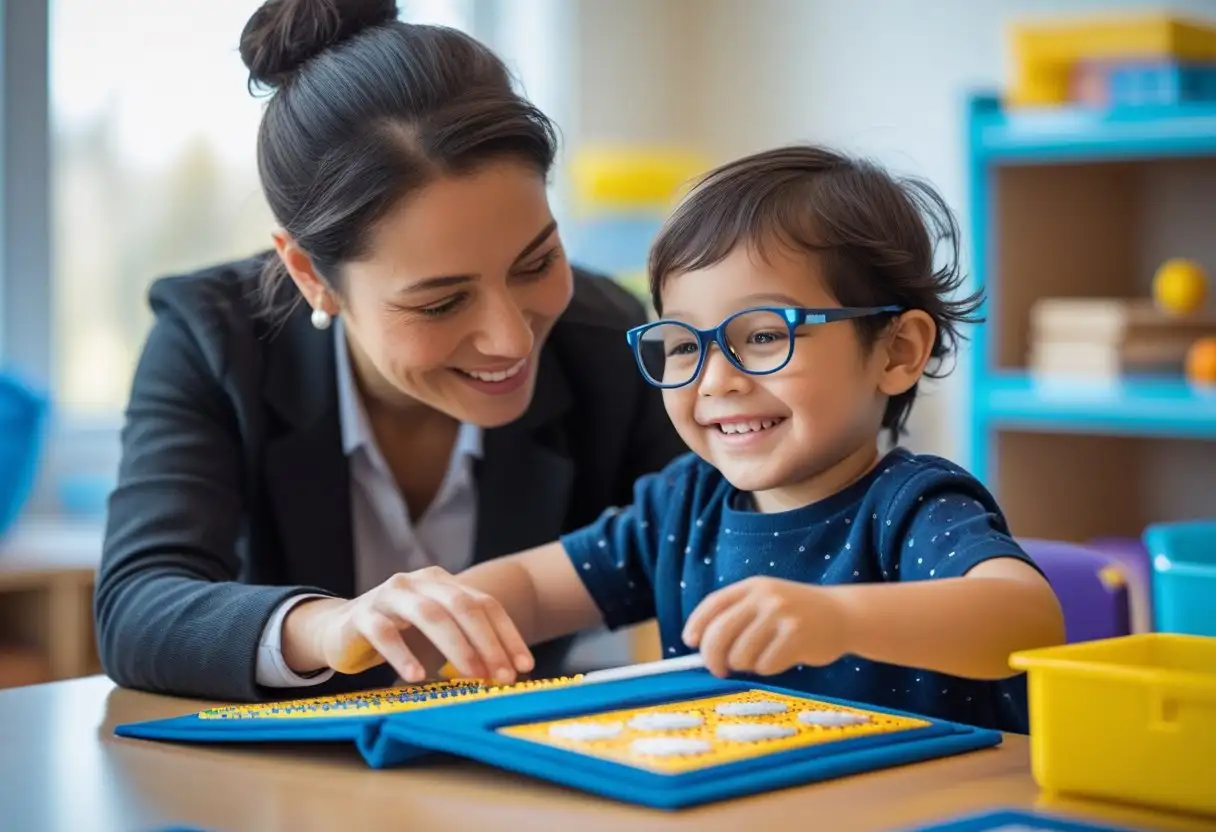
Encouraging Independence in Children with Low Vision
Empowering children with low vision to become independent is essential for their confidence, growth, and overall well-being. By focusing on skills that promote autonomy, we give children the tools they need to actively participate in daily life and reach their full potential.
As a leading assistive technology provider, we understand the importance of combining practical strategies, a supportive environment, and leading-edge technology to increase opportunities for self-care, learning, and social interaction. Our mission is to bring hope and resources to families, ensuring children with visual impairments are equipped to navigate the world with greater independence.
Key Principles of Encouraging Independence in Children With Low Vision
Children with low vision face distinct challenges as they strive for independence. By addressing their personalized needs, building self-advocacy, and setting appropriate goals, we can help them develop the skills and confidence to navigate daily life more independently.
Understanding Unique Needs and Abilities
Every child with low vision or visual impairment has their own set of strengths and areas for growth. It’s important that we assess each child’s visual capabilities and understand the specific nature of their visual impairment.
We consult with parents, teachers, and specialists to identify which tasks may require support or adaptation. For example, a child may see best with strong contrast or benefit from enlarged print and tactile cues in their environment.
Using leading-edge assistive technology, such as electronic magnifiers or screen readers, allows children to participate more fully in learning and routine activities. We recommend frequent reassessment to ensure these tools meet the child’s changing needs.
Promoting Self-Advocacy and Confidence
Teaching self-advocacy is central to independence for children with low vision. We encourage children to communicate their needs, ask questions about their environment, and request accommodations when necessary.
Supporting the development of self-esteem is key. We do this through positive reinforcement, empowering language, and modeling problem-solving approaches.
Hands-on experiences, such as managing daily routines or making choices in school and play, give children opportunities to practice speaking up and solving challenges. Confidence grows when children successfully navigate new activities using strategies tailored to their abilities.
Setting Realistic Goals and Expectations
Setting achievable and meaningful goals provides structure and motivation. We work with families to break down complex tasks—such as dressing, organizing school materials, or navigating public spaces—into clear, manageable steps.
Short-term milestones help maintain motivation and allow us to celebrate each success, no matter how small. We review and adjust expectations as children acquire new skills or as their vision changes.
Our priority is to balance appropriate support with opportunities for independent action, always recognizing the child’s individual pace and readiness. This approach fosters both competence and confidence in children who are visually impaired or blind.
Building Routines & Skills for Independent Living with Low Vision
Consistent routines and structured daily living skills are vital for children with blindness, low vision, or visual impairments. Setting up clear sequences and practical systems helps children navigate their environments confidently and manage everyday tasks with greater independence.
Developing Step-by-Step Sequences
Breaking down routines into step-by-step sequences allows children with visual impairments to grasp each part of a daily activity.
We recommend using tactile markers, large-print lists, or audio cues to help outline each individual step. For example, organizing the morning routine—such as brushing teeth, washing face, and getting dressed—into simple steps encourages predictability and reduces anxiety.
Engaging children in the development of these sequences can increase their sense of control. Visual supports with strong contrast, braille, or talking devices help reinforce understanding and provide reminders. Consistency across different environments, such as home and school, further strengthens learning and builds confidence over time.
Supporting Self-Care Activities
Mastering self-care activities like grooming, dressing, and hygiene is critical for fostering independence among children with low vision.
We suggest starting by modeling each activity, then supporting the child’s hands as they practice. Tools such as talking thermometers, high-contrast labels, and tactile guides can make tasks like brushing hair or tying shoes more manageable. It’s important to allow extra time and encourage children to attempt each step independently before offering assistance.
A simple checklist or audio prompt helps track progress for each self-care skill. Encouragement and consistent practice build self-esteem and reinforce the idea that independence is achievable, even with visual impairments.
Teaching Organizational Strategies
Strong organizational skills help children with blindness or low vision to find, use, and store their belongings reliably.
We recommend designated spaces for essential items, such as labeled containers or tactile bins for clothing, school materials, or technology devices. Using checklists, braille labels, or electronic reminders can aid memory and ensure routines are followed.
A daily planner, either digital or tactile, assists in managing tasks and appointments. Developing these systems together empowers children to maintain control of their environment and increases confidence in their ability to handle daily responsibilities on their own.
Adapting the Home and Learning Environment for Encouraging Independence in Children with Low Vision
Creating an effective environment for children with low vision means making daily spaces safer, more navigable, and more supportive of independent learning. Thoughtful adjustments at home can empower children with visual impairments to engage more confidently in routine and educational activities.
Utilizing High-Contrast and Tactile Cues
Contrast and tactile feedback are essential for children with low vision to recognize boundaries, navigate spaces, and identify important items. We recommend using bold color differences—for example, placing dark rugs against light flooring or using high-contrast tape along stair edges. Labels and markers in vibrant hues can help children distinguish between drawers or bins.
Tactile cues are just as crucial. Textured surfaces, raised dots, and tactile labels offer orientation and guidance. An example is using textured mats in bathrooms and kitchens, which mark safe zones or workspaces. Doorways, light switches, and appliance controls can be enhanced with bump dots or raised stickers to provide both location and function feedback. Installing these tactile elements throughout the home supports independent navigation and task completion, reducing reliance on others.
Leveraging Assistive Technology and Tools
Assistive technology can transform accessibility and independence for children with visual impairments. Our expertise includes introducing leading-edge solutions like portable video magnifiers, screen reading software, talking clocks, and adaptive lighting. These tools are tailored to individual needs and can make educational materials, household objects, and digital devices more accessible.
A table of common assistive technologies:
| Tool Type | Use Case |
| Video Magnifiers | Enlarging print and images |
| Screen Readers | Audio output for digital text |
| Talking Devices | Accessible clocks, thermometers |
| Adaptive Lighting | Reducing glare, boosting contrast |
Integrating these devices ensures children participate more fully in both learning and home routines. Our training helps families choose, set up, and use these tools effectively.
Incorporating Braille and Alternative Formats
For many children with severe visual impairments, braille is an essential literacy tool. We encourage incorporating braille labels on everyday objects—such as backpacks, closet shelves, or kitchen containers—to foster independence in personal organization.
Learning materials, activity instructions, and storybooks should be made available in a range of alternative formats. These might include large print texts, tactile graphics, and audiobooks. Adapting printed items gives children the autonomy to choose which format supports them best.
By offering multiple accessible formats, we help remove barriers to information and engagement, supporting the child’s growth in both literacy and independence.
Supporting Socialization and Interpersonal Skills
Children with low vision benefit greatly from purposeful support in building relationships and communicating effectively with others. Practical strategies help promote confidence, foster friendships, and encourage safe and active participation in their communities.
Encouraging Participation With Peers
Actively engaging with peers is vital for the emotional and social development of children who are blind or have visual impairments. Participation in group activities and collaborative projects can help children practice making friends and resolving conflicts.
Structured opportunities, such as after-school clubs, adaptive sports, and volunteering, enhance their chances to interact naturally with others. We recommend setting up inclusive environments where children with low vision receive the same encouragement as their sighted peers.
Teachers and families play important roles in guiding group play, prompting introductions, and suggesting activities tailored to each child’s interests and abilities. Open communication with classmates about visual needs can also promote understanding and acceptance, reducing isolation.
Fostering Communication and Self-Expression
Clear and confident communication allows children with visual impairments to express preferences, share ideas, and advocate for themselves. Developing these skills helps them build meaningful connections with peers and adults alike.
Using both verbal and non-verbal cues is essential, especially in situations where visual input is limited. We recommend role-playing social scenarios, practicing appropriate greetings, and teaching strategies for turn-taking in conversations.
Assistive technology, such as voice recorders or braille notetakers, empowers children to participate fully in classroom discussions and group work. Encouraging children to share their experiences during group activities helps foster empathy and mutual respect among all classmates.
Developing Safe Mobility Techniques
Safe, independent movement is a foundation for active social participation. Children with low vision can benefit from orientation and mobility training, which teaches them to navigate various environments safely and confidently.
Key mobility techniques include using a white cane, identifying environmental cues, and understanding spatial relationships within group settings. We work with families and mobility specialists to ensure children develop safe travel skills for school, playgrounds, and community outings.
Social opportunities often happen during transitions—like walking between classes or playing outdoors. Practicing these skills allows children who are blind or visually impaired to join their peers in activities and move about with greater independence and assurance.
Collaboration With Families, Educators, and Specialists
Building independence in children with low vision or visual impairments depends on shared efforts from families, educators, and professionals. Coordinated support empowers children to develop essential skills, increases confidence, and encourages self-advocacy in various environments.
Role of Parents in Fostering Independence
Parents play an essential role in supporting children with blindness or visual impairment at home and in the community. Actively involving children in daily routines—like setting the table, choosing clothing, or managing personal items—encourages decision-making and confidence.
Establishing consistent expectations and clear communication helps children understand their abilities and boundaries. We recommend using leading-edge assistive technology, such as magnifiers and voice-activated devices, to reinforce skill-building and facilitate learning.
Key strategies parents can use include:
- Encouraging self-help tasks (e.g., dressing, organizing schoolwork)
- Creating accessible home environments
- Practicing navigation and orientation skills
- Advocating for their child’s needs in community settings
Working With Teachers and Support Staff
Strong collaboration with teachers and support staff ensures that instructional methods and classroom materials address each child’s unique needs. We often see the value in training teachers to use adapted materials, tactile graphics, and accessible digital tools.
Regular communication between families and educators promotes consistency between home and school. Sharing updates about goals or progress allows for prompt adjustments and continued growth.
Some effective collaboration tools include:
- Scheduled team meetings
- Shared progress notes or logs
- Co-developing individualized education plans (IEPs)
- Providing teachers with guidance on assistive technology use
Utilizing Professional Resources and Community Programs
Specialists such as orientation and mobility trainers, low vision rehabilitation professionals, and counselors provide targeted expertise. We guide families to connect with support services and programs designed specifically for visual impairment.
Community programs offer opportunities for socialization, skill-building, and recreation. Participation in these programs helps children build confidence outside the classroom and home environment.
Recommended resources include:
| Resource Type | Examples |
| Mobility Training | Cane travel, public transit orientation |
| Assistive Technology | Electronic magnifiers, accessible software |
| Support Groups | Peer networking, family workshops |
| Extracurricular Programs | Sports, music, art adapted for low vision |
Frequently Asked Questions: Encouraging Independence in Children with Low Vision
Building independence in children with low vision requires practical activities, thoughtful support from adults, effective teaching, and the right environment. Modern technology and structured, skill-building curricula also play key roles in supporting children’s growth.
What activities can support the development of independence in children with low vision?
Engaging children in daily routines like dressing, organizing school materials, or preparing simple meals promotes self-reliance. These tasks can be broken down into manageable steps, allowing children to practice new skills at their own pace.
Games that encourage problem-solving or body awareness, such as sorting items by touch, help develop spatial orientation and confidence. Community outings, with appropriate orientation and mobility training, foster a sense of exploration and autonomy.
How can parents and educators help children with low vision become more independent?
We can encourage independence by giving children time to complete tasks themselves, even if it takes longer. Providing clear verbal instructions and allowing for repetition helps children master new skills.
Support should be balanced; adults should offer help only when needed, giving children the chance to try first. Setting high but realistic expectations and celebrating efforts builds self-esteem and motivation.
What are some effective teaching strategies for children with visual impairments?
Using multisensory teaching approaches—incorporating touch, sound, and movement—can make information more accessible. Consistent routines and clear organization of materials help children anticipate what comes next and locate items independently.
Adapting classroom materials to be high-contrast and tactile ensures accessibility. Frequent positive reinforcement and immediate feedback support both learning and independence.
How can technology be used to aid independence in children with low vision?
Leading-edge assistive technology such as electronic magnifiers, screen-reading software, and accessible tablets allow children to access information, complete assignments, and read materials independently. Audio recorders and speech-to-text tools help with note-taking and homework.
We offer training and guidance so families and educators can integrate these tools into daily life. With practice, technology becomes an extension of the child’s independence at home and in school.
What are the key components of an independence-encouraging curriculum for children who are blind?
A curriculum focused on independence includes social skills training, orientation and mobility techniques, daily living skills, and the use of assistive technology. Children should have regular opportunities to practice skills in real-life settings.
Instruction is adapted to emphasize self-advocacy and decision-making. Ongoing feedback and gradual increases in responsibility build confidence over time.
What role does the environment play in fostering independence for children with low vision?
Organized, well-labeled spaces with consistent layouts help children learn to navigate and locate their belongings with less assistance. High-contrast colors, tactile markers, and good lighting are critical in maximizing functional vision.
Safe, predictable environments where children can explore freely foster both independence and confidence. Periodic environmental assessments ensure spaces remain accessible as children’s skills improve.
Download this content as a PDF
Empower Your Classroom with Inclusive Strategies
Are you ready to transform your classroom for students with low vision?
Explore practical training, proven adaptations, and the latest assistive technologies to ensure every student thrives. Whether you’re an educator, school administrator, or support professional, our tailored Education & Training Services equip you with the tools and confidence to create a truly inclusive learning environment.
Learn more and schedule your customized training today:
nelowvision.com/training-services/education-training-services/